Vanishing Bird Populations: What is TRGT doing to help?

4 Comments

Vanishing Bird Populations: What is TRGT doing to help?

Vanishing Bird Populations

What is TRGT doing to help?


You may have recently read the news about a study announcing an alarming decline in North American bird populations. The study, from the renowned journal Science, estimated that bird populations within the two countries have declined by 2.9 billion birds or 29 percent since 1970 (read this NY Times article to learn more)! It is no secret that birds, among many other types of wildlife, have been in trouble for a number of years. The leading cause of this population decline is habitat loss. Habitat loss includes the destruction or alteration of habitat to the point where it no longer meets the basic life needs of a species. A bird species’ specific habitat needs vary depending on the species. For instance, some bird species may need mature forests, while others may require grasslands or early successional forests (young forests). Once habitat is converted from functional ecosystems to incompatible land uses, the overall amount of suitable places for these species to live will be reduced, in turn reducing population numbers. Other reasons for the declines include pollution, adverse effects from invasive species, and other complex factors.

These sobering bird population declines have been brought to the spotlight by this high-impact study in the journal Science, which we hope will initiate conservation action. Mitigating this downward trend in North American bird populations is no easy task and many groups have been working to curb this decline for decades. These collective efforts include land protection, habitat restoration or creation, research, and education.

What has TRGT been doing to conserve bird populations?

TRGT has been working on multiple fronts to mitigate these worrisome population declines. Here are some of the many ways we are doing our part to help:

1) Land Protection-

Photo by Kevin Livingood

Photo by Kevin Livingood

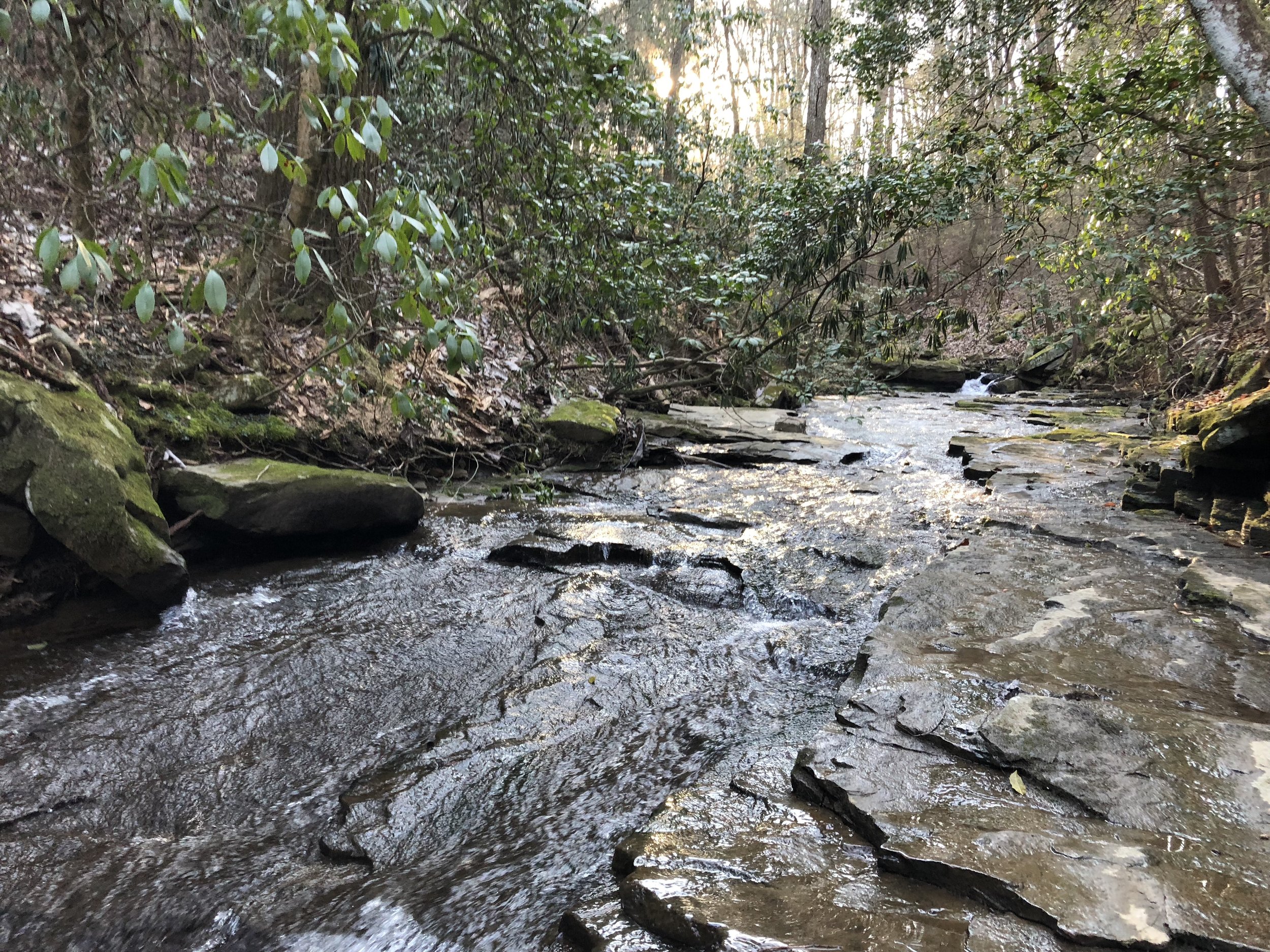
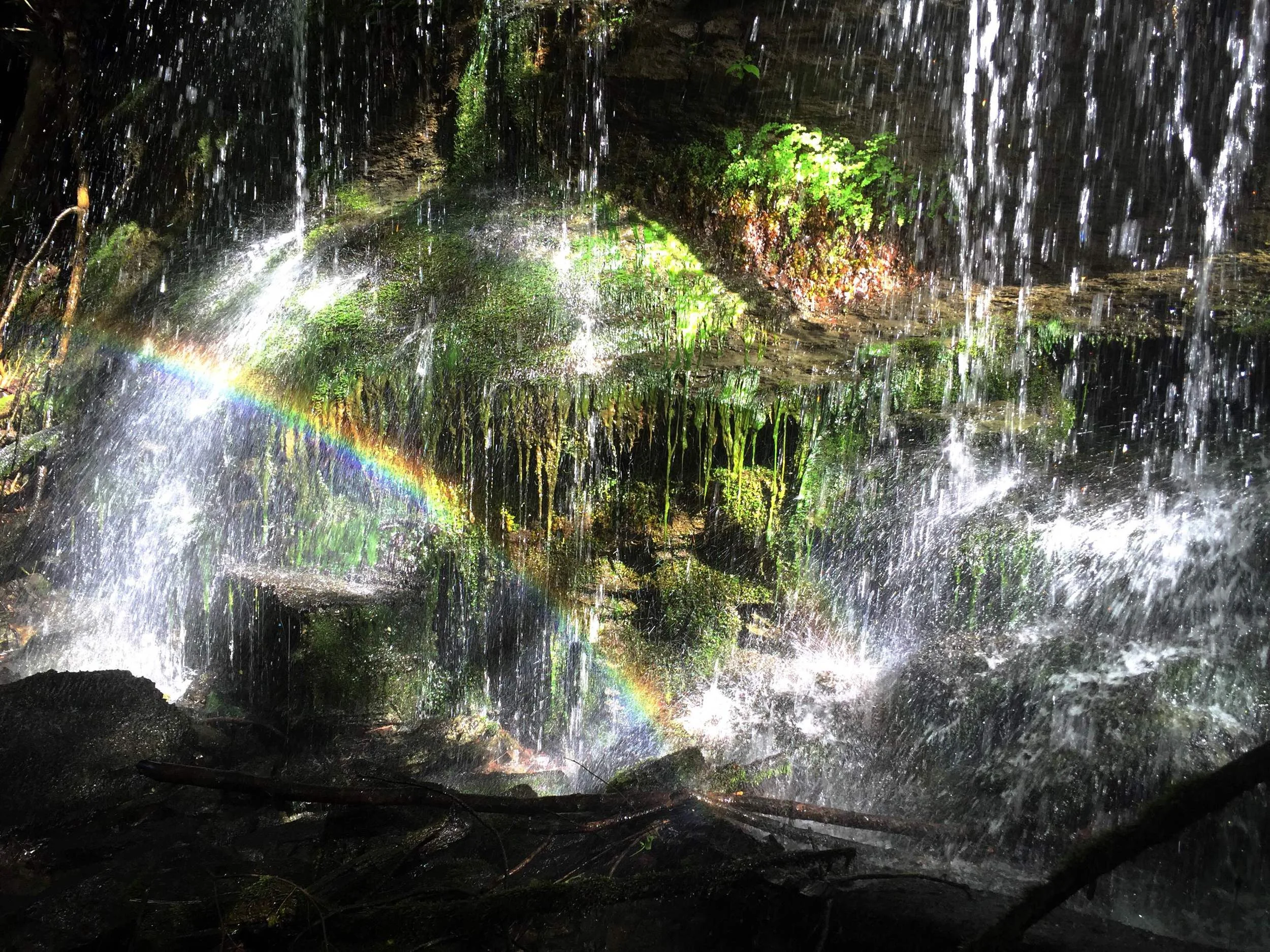
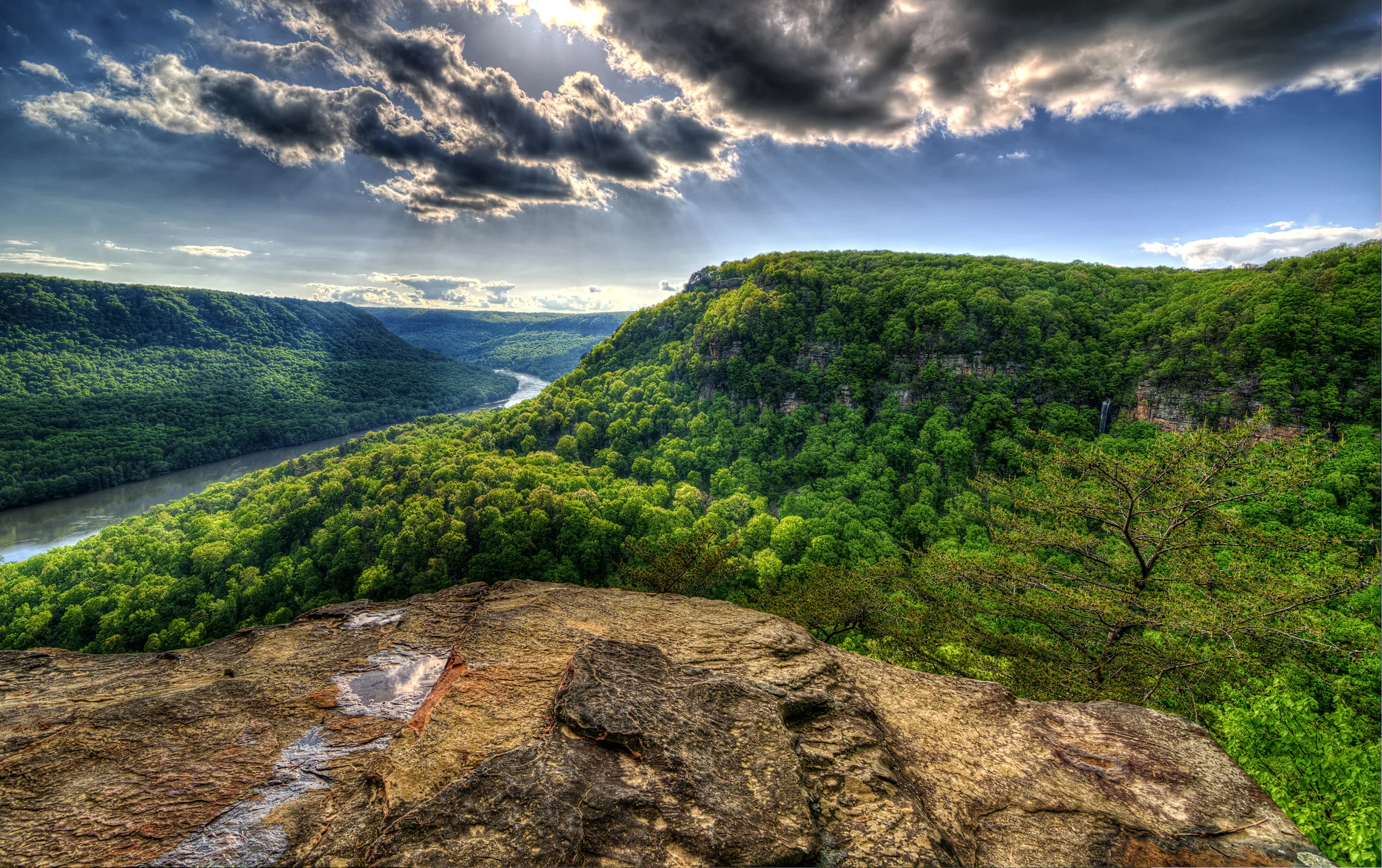
Habitat loss is the leading cause of these population declines, so protecting habitat in perpetuity is a direct way to help conserve bird populations. Since 1981, TRGT has been protecting land in the Tennessee River Gorge. Over 6,000 acres of wilderness have been protected by TRGT through fee simple ownership, and TRGT partners with the State of Tennessee and the Tennessee Valley Authority to oversee 17,000 acres. These lands include a variety of habitats that are critical for migrating and residential bird populations. Additionally, we work as stewards of these lands to ensure they are healthy and functional ecosystems. To learn more about TRGT’s land conservation, visit this link.

2) Research-
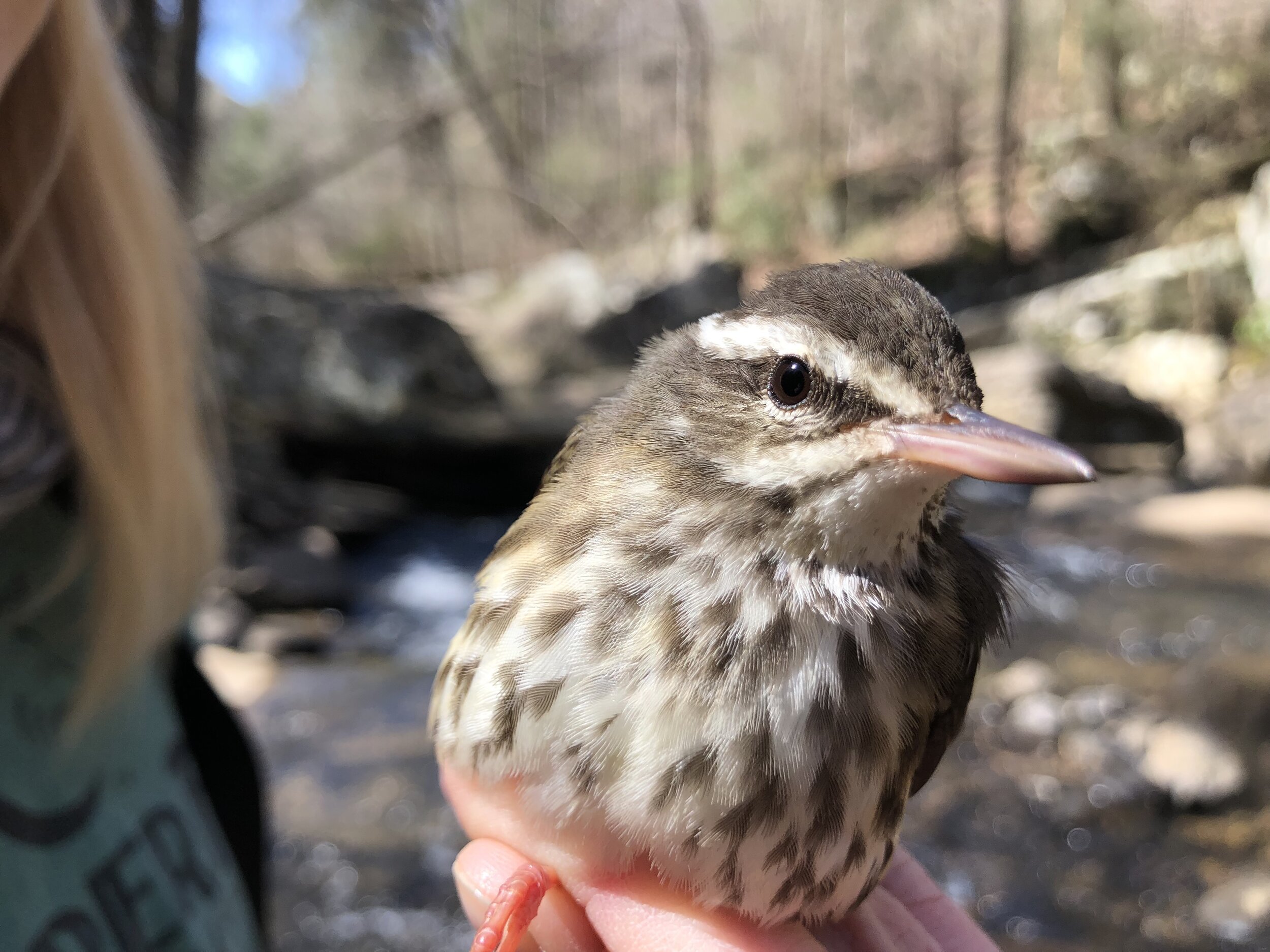
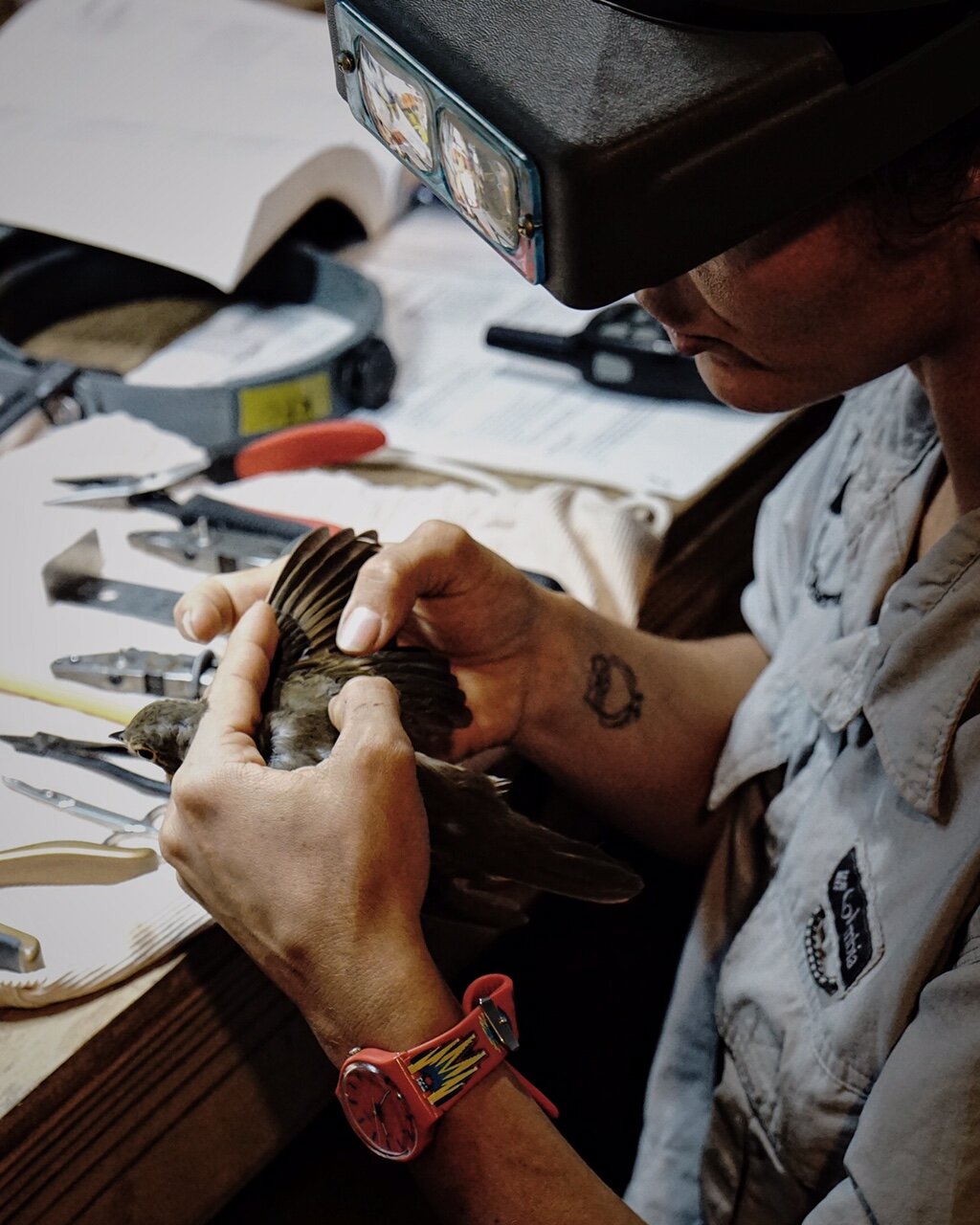
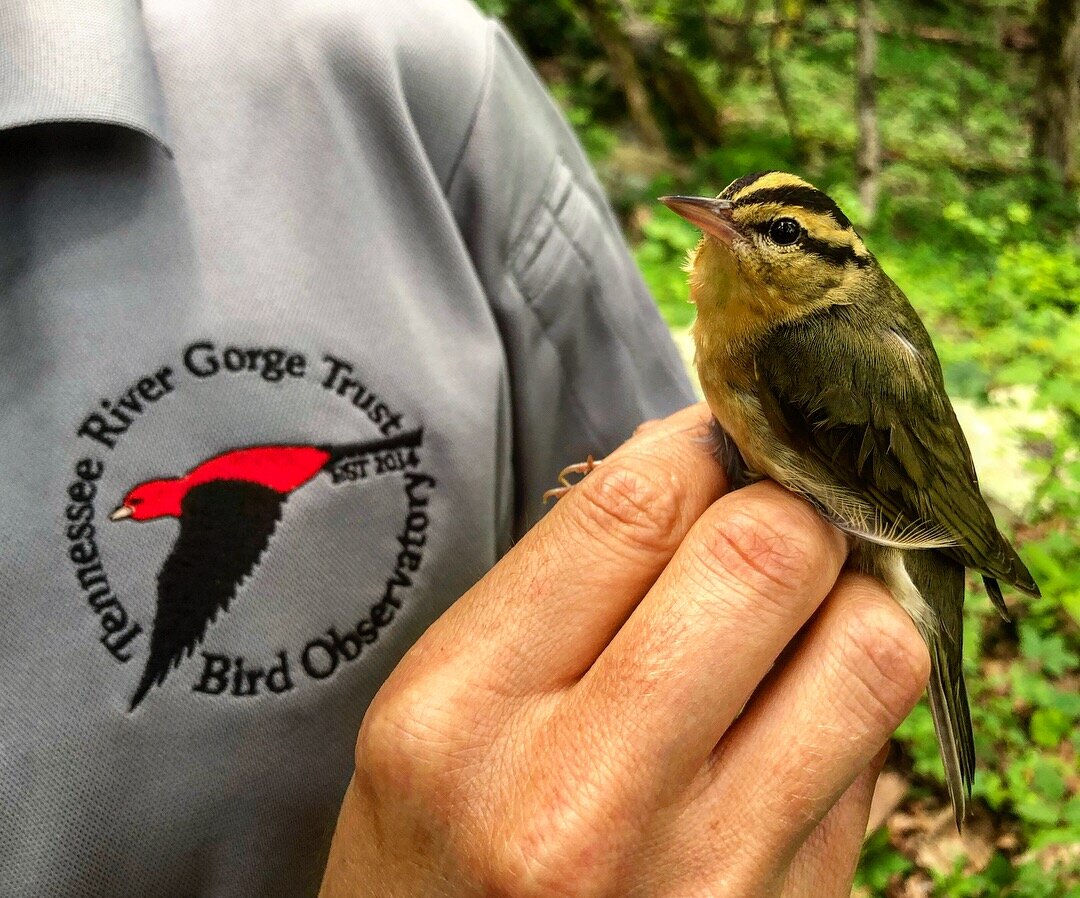
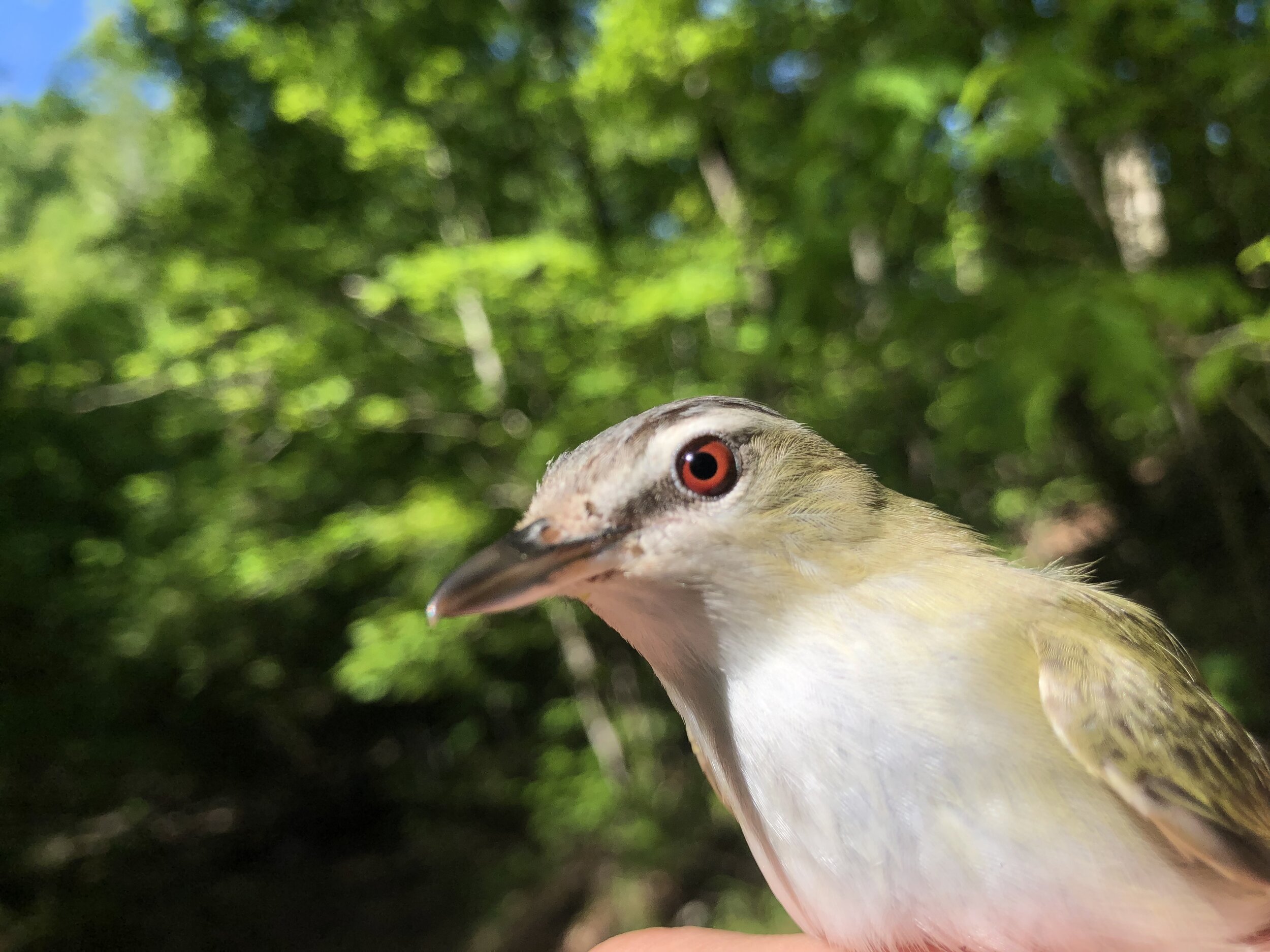
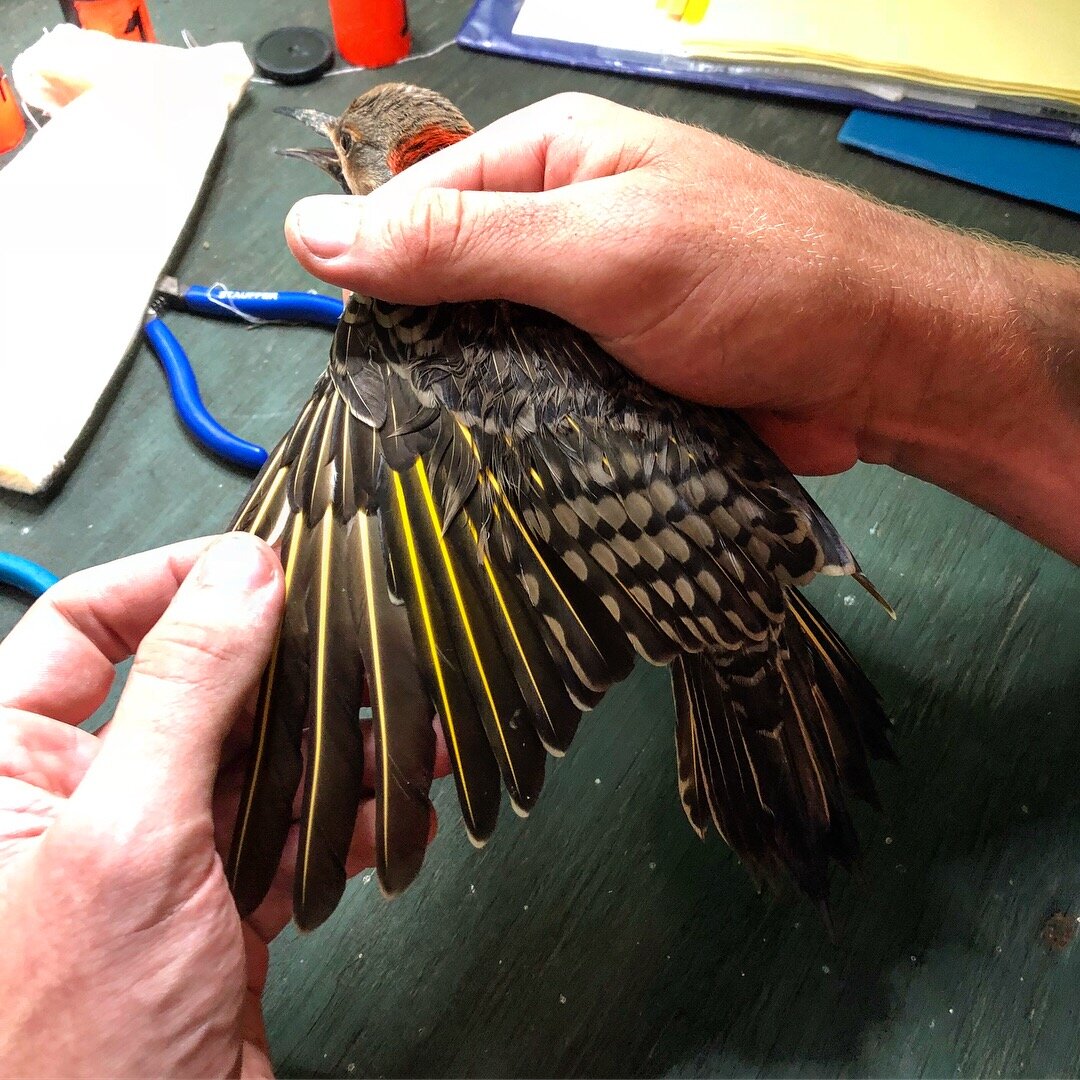
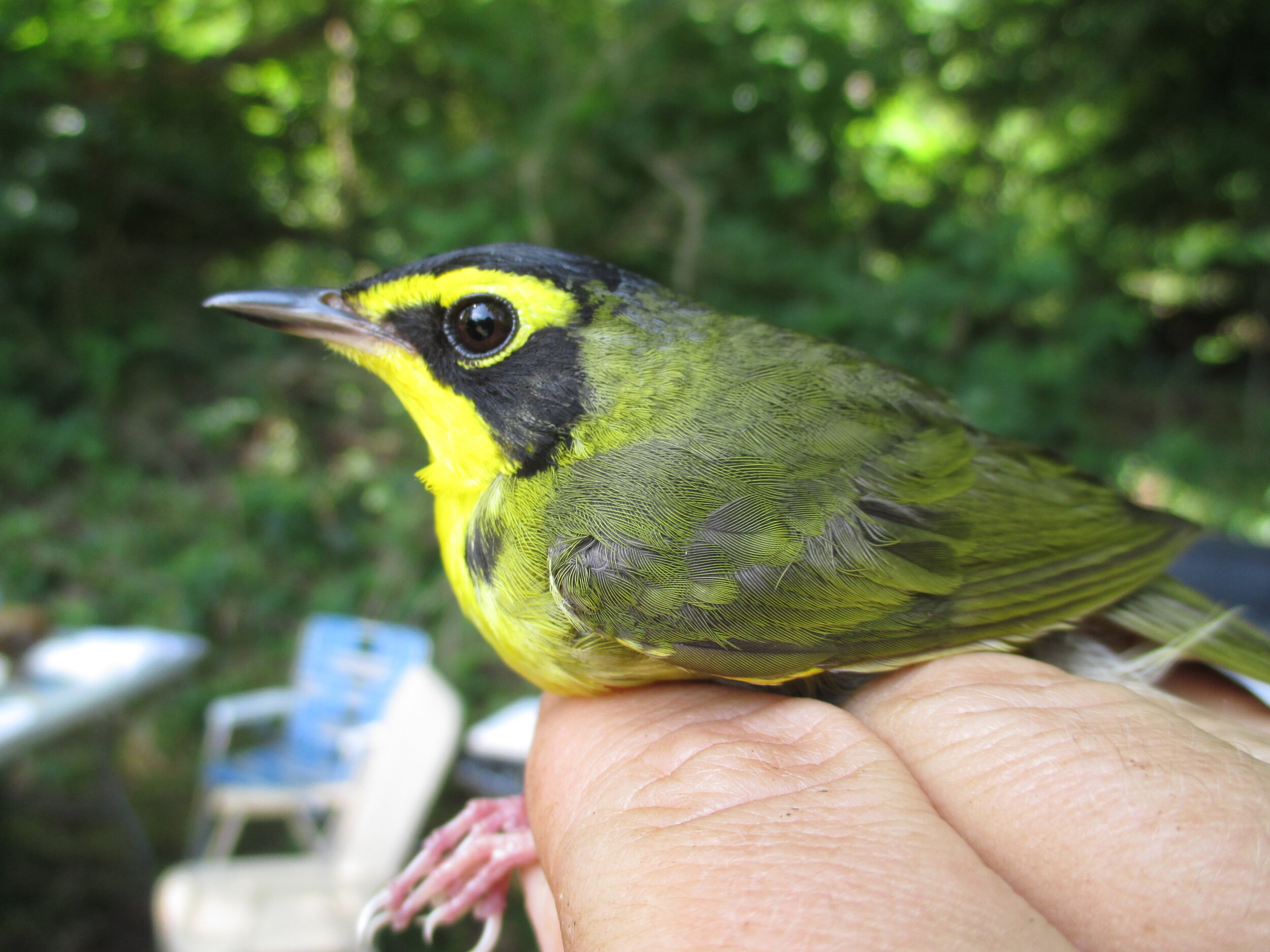
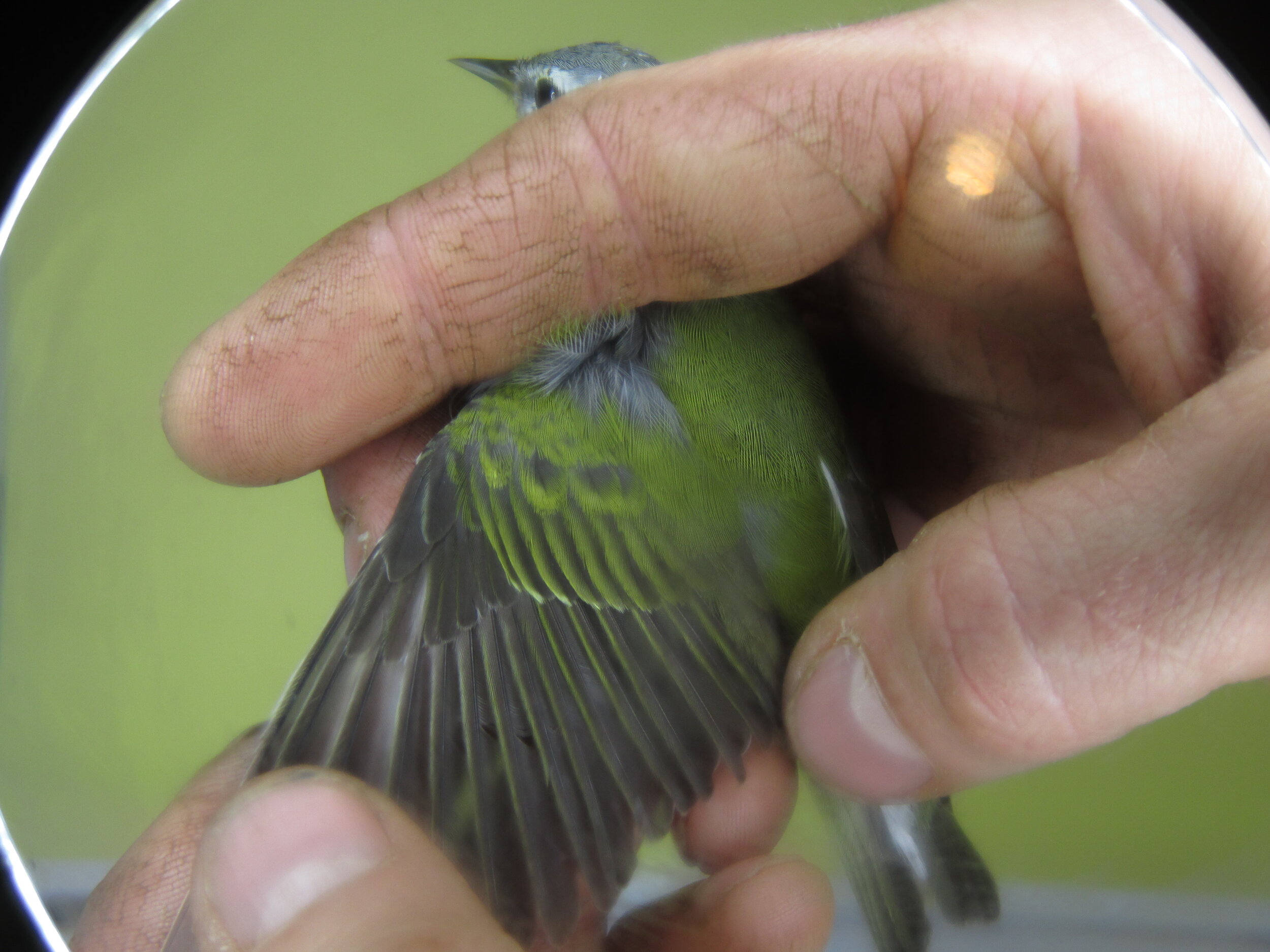
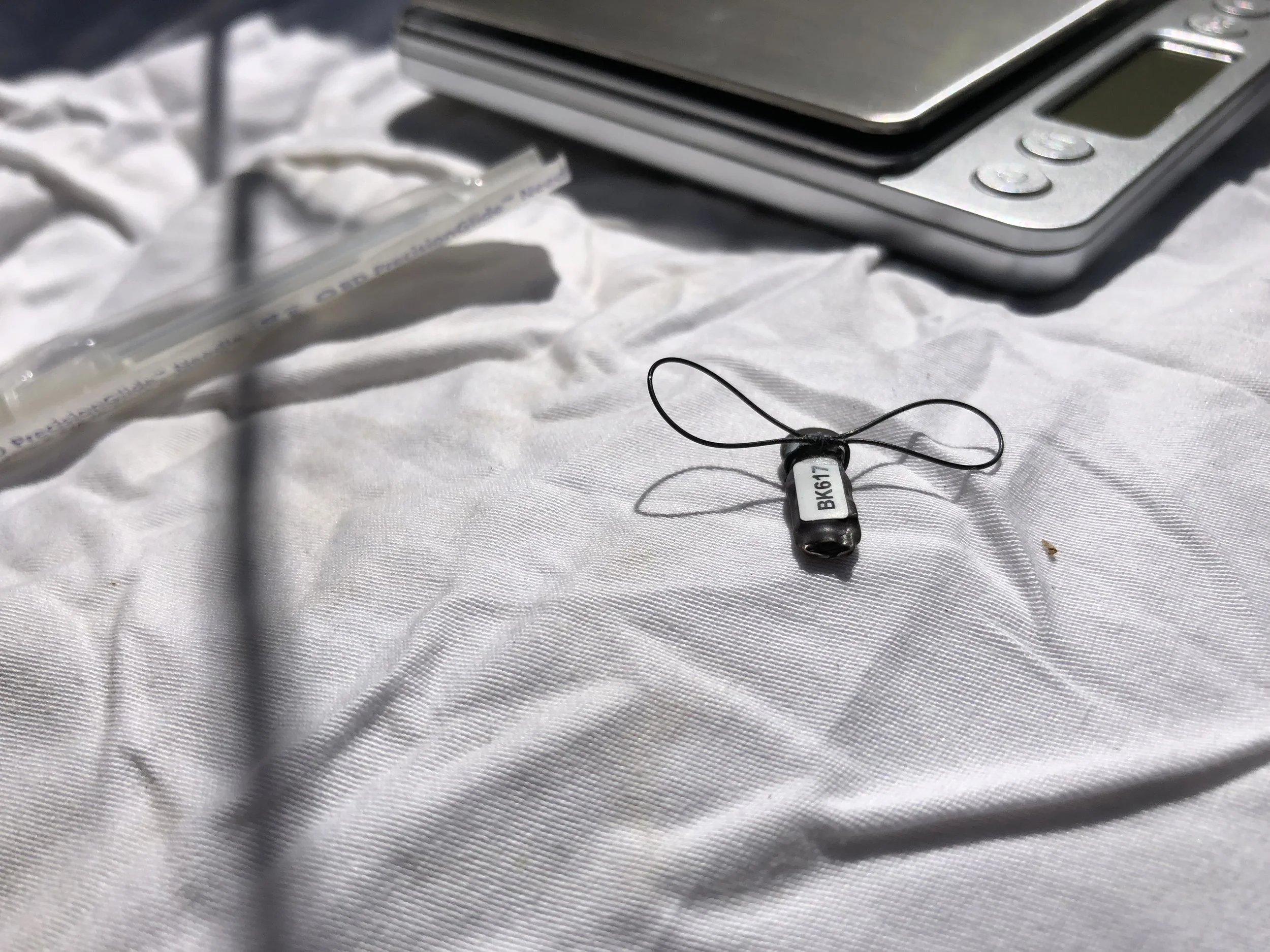
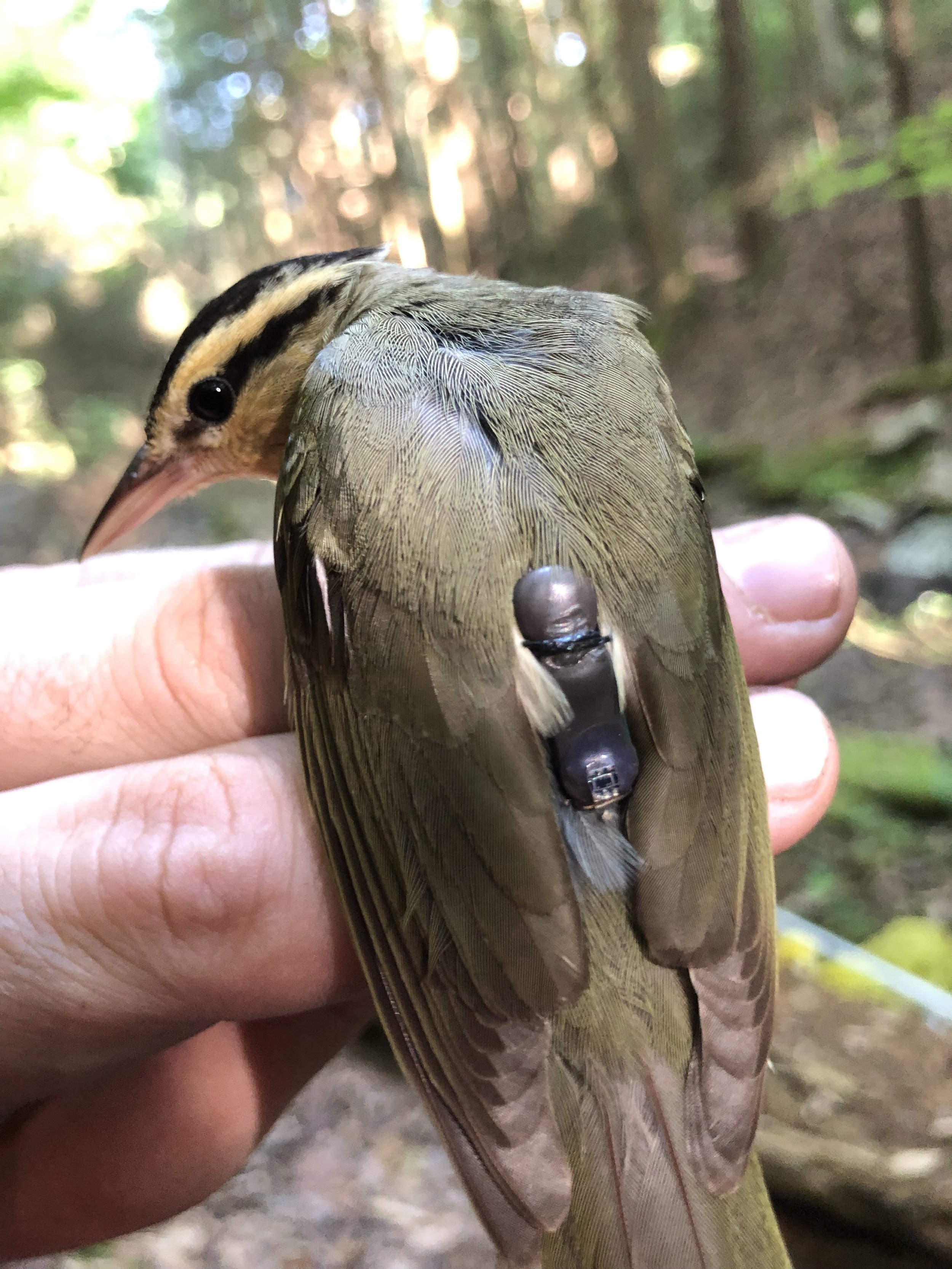
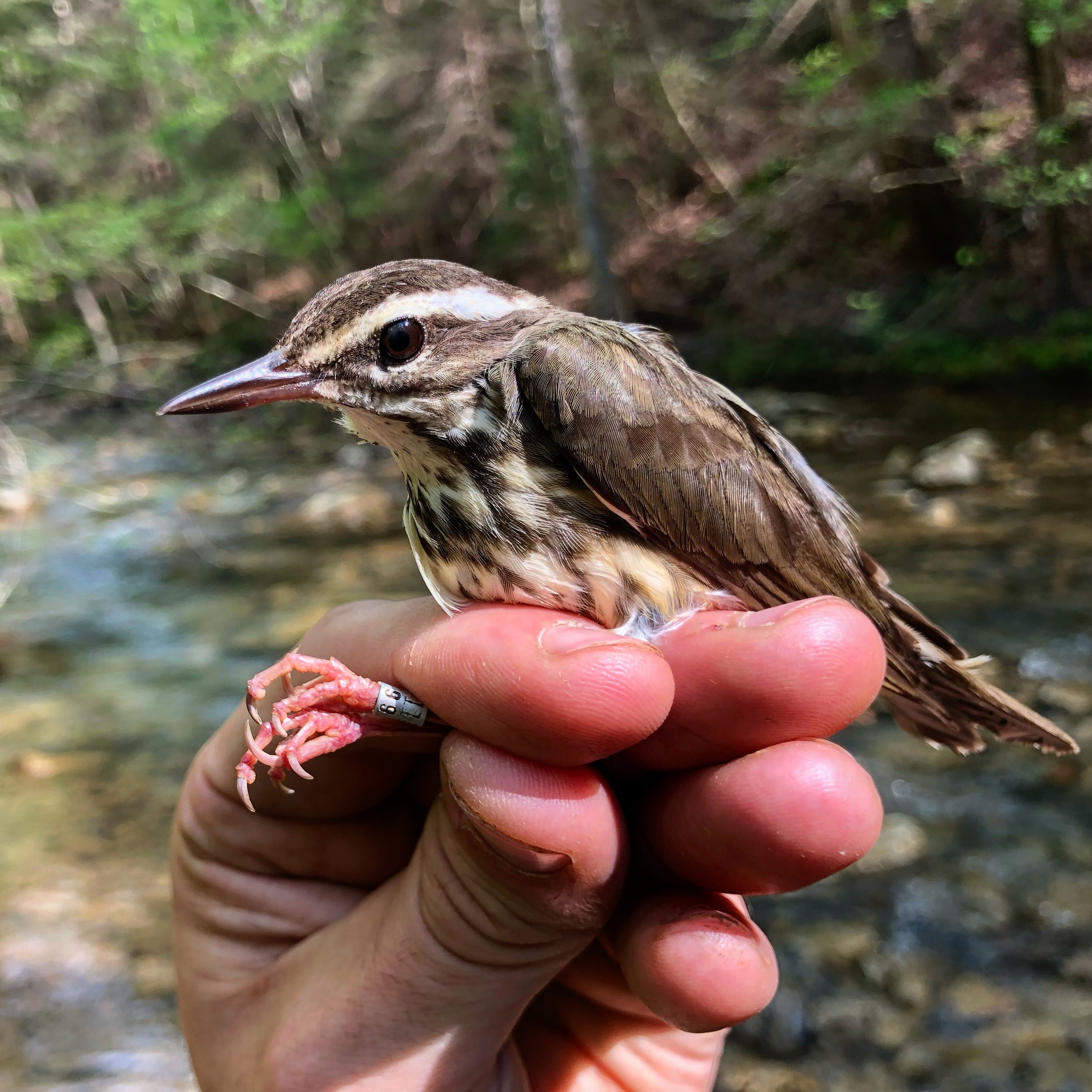
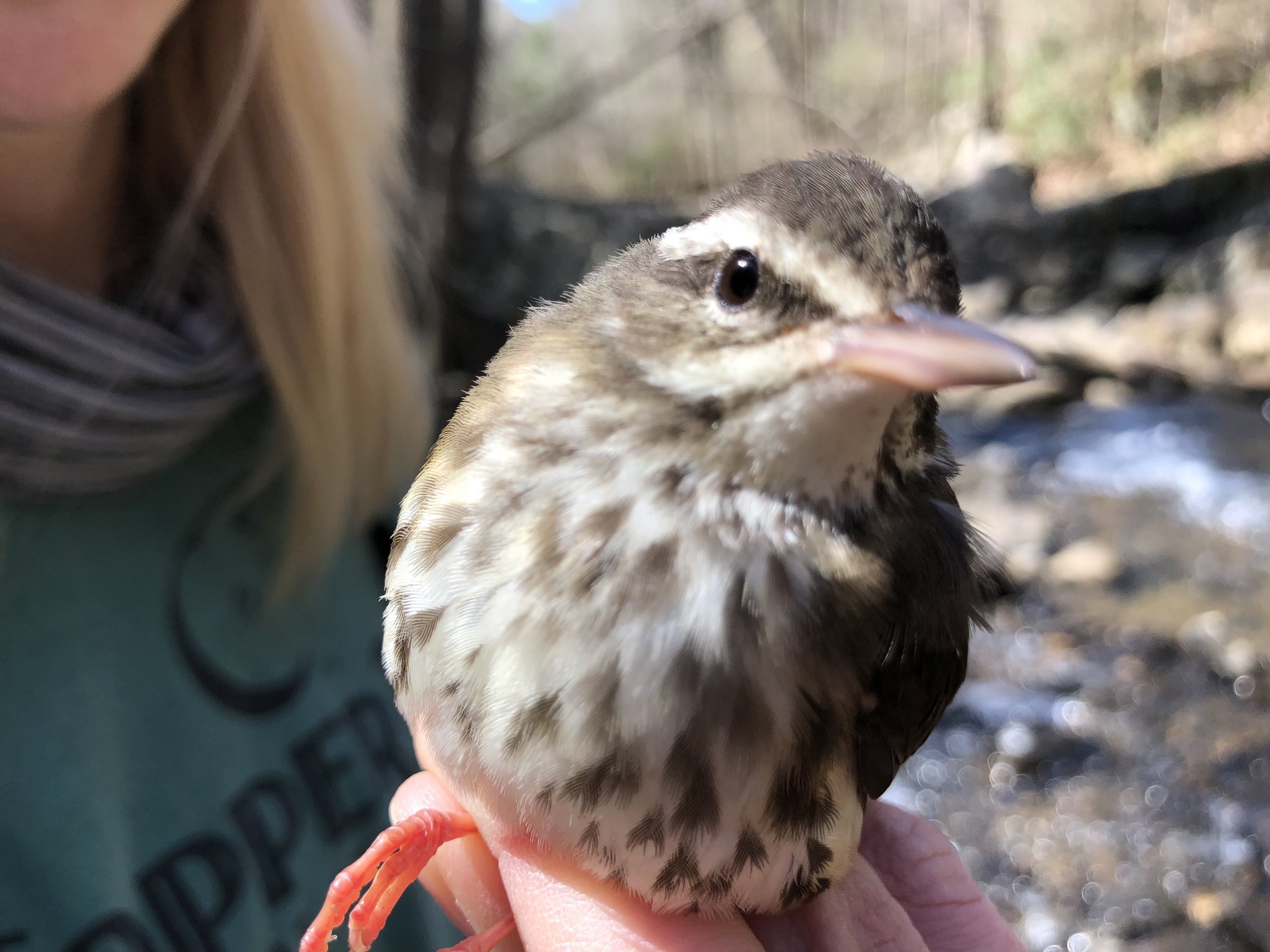
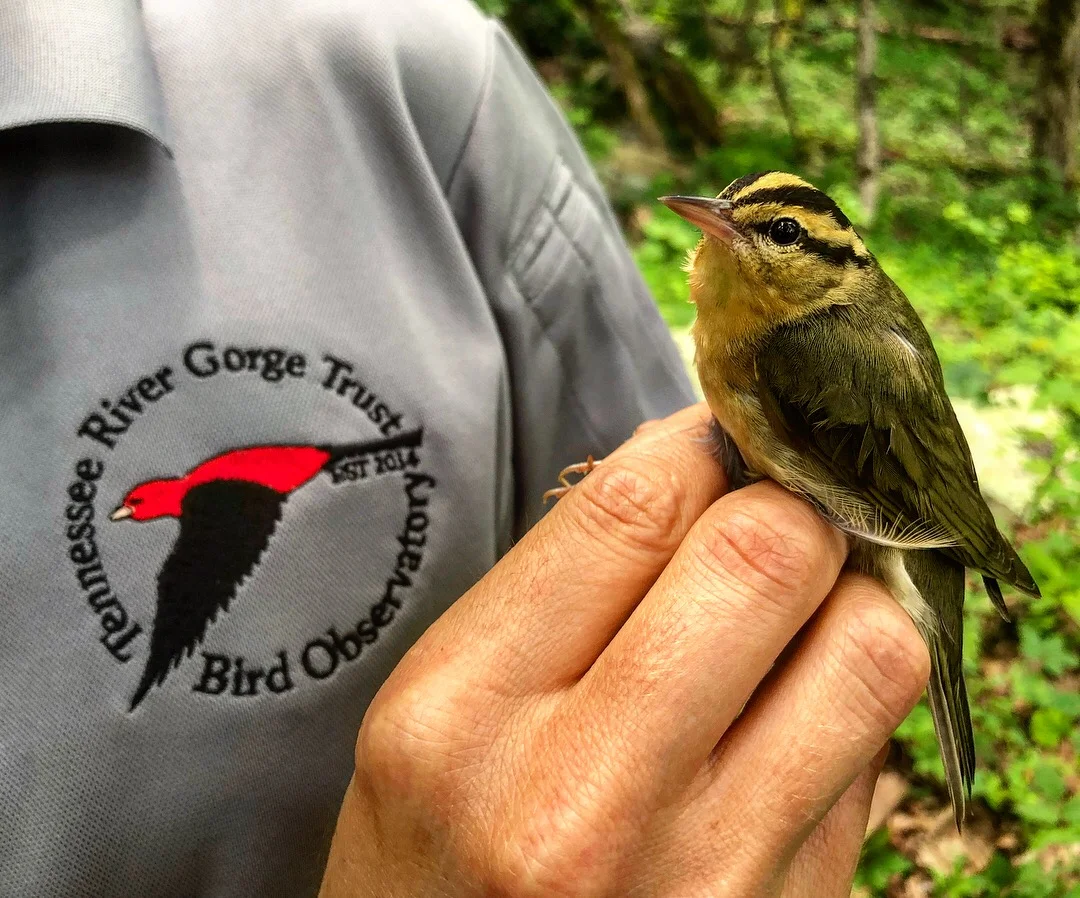
TRGT conducts innovative bird research to better understand the complex dynamics of the species that depend on the Tennessee River Gorge. Over the past four years, TRGT has been tracking the migration of two songbird species, the Louisiana Waterthrush and Worm-eating Warbler. This research will help us learn more about their enigmatic migratory behaviors and wintering grounds. Information like this is essential for effective long-term conservation efforts. To learn more about this migration research, check out this link. TRGT also operates a bird banding station to monitor and take inventory on the bird species in the Tennessee River Gorge. Learn more about the TRGT Bird Observatory at this link.

3) Education-
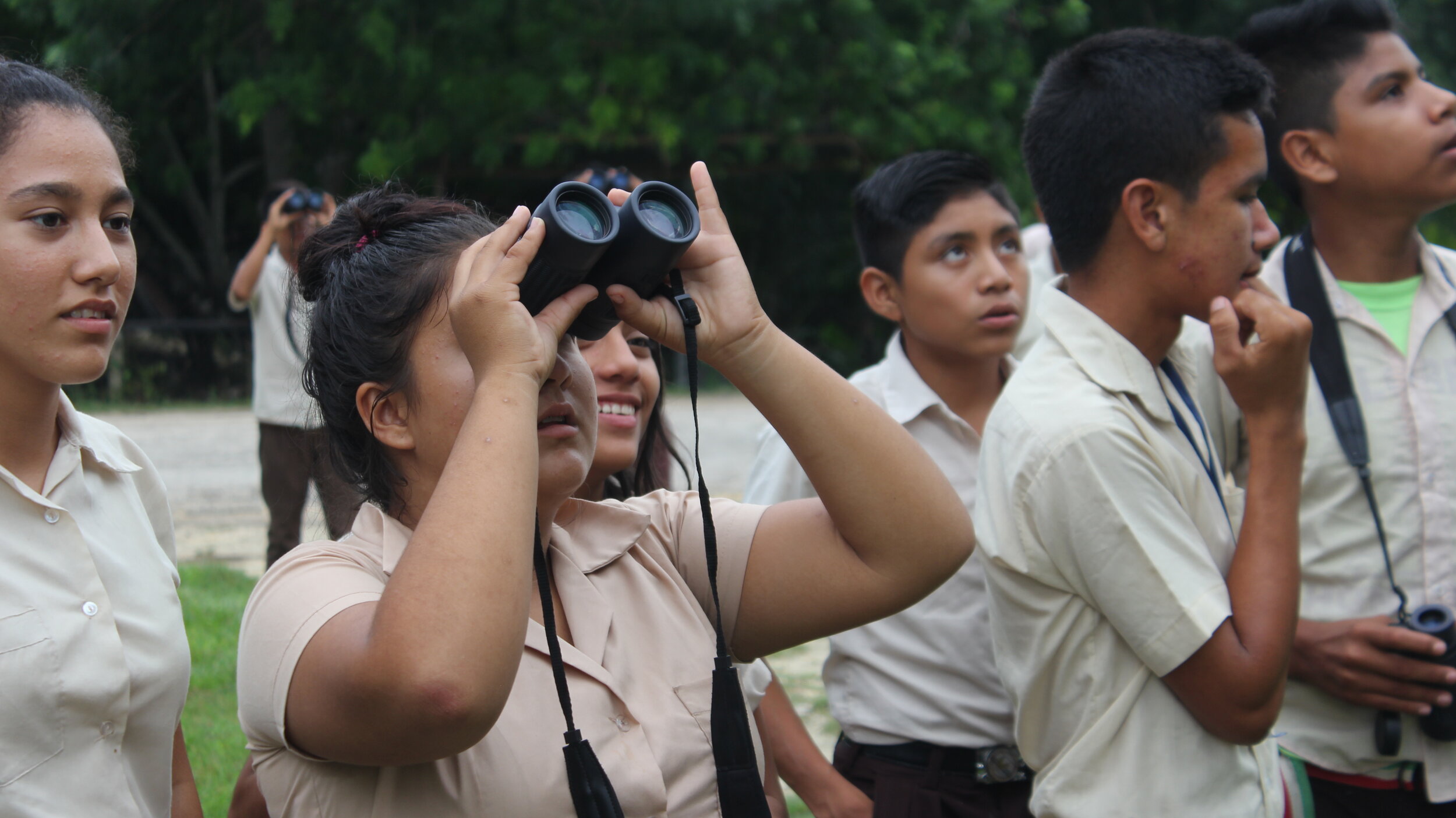
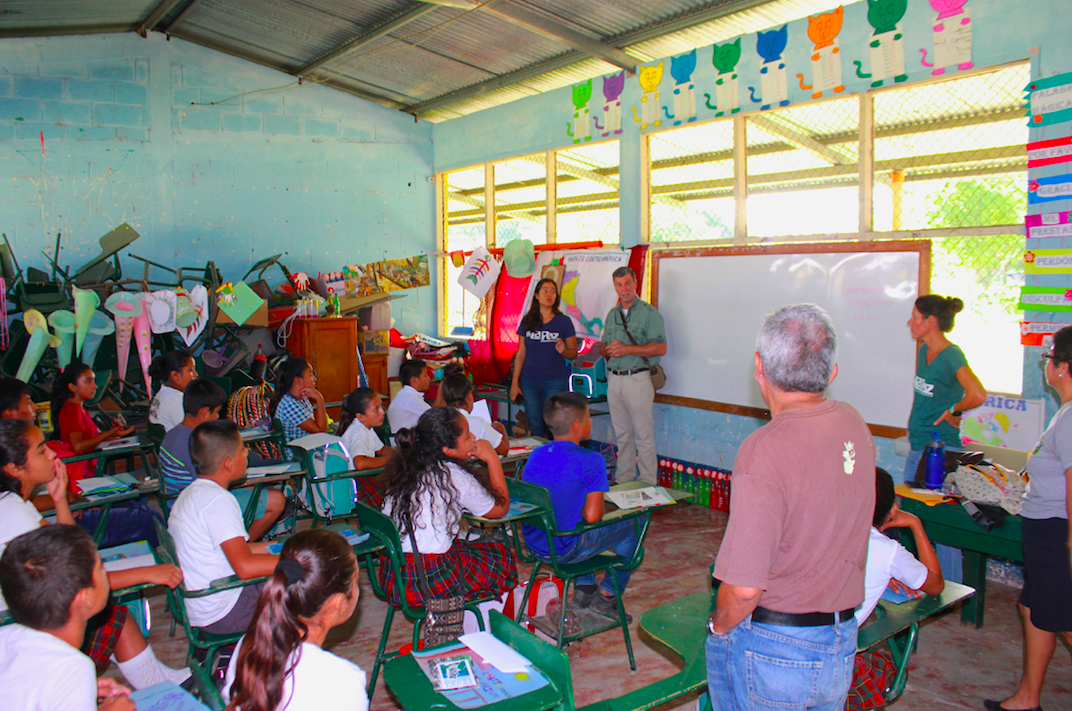
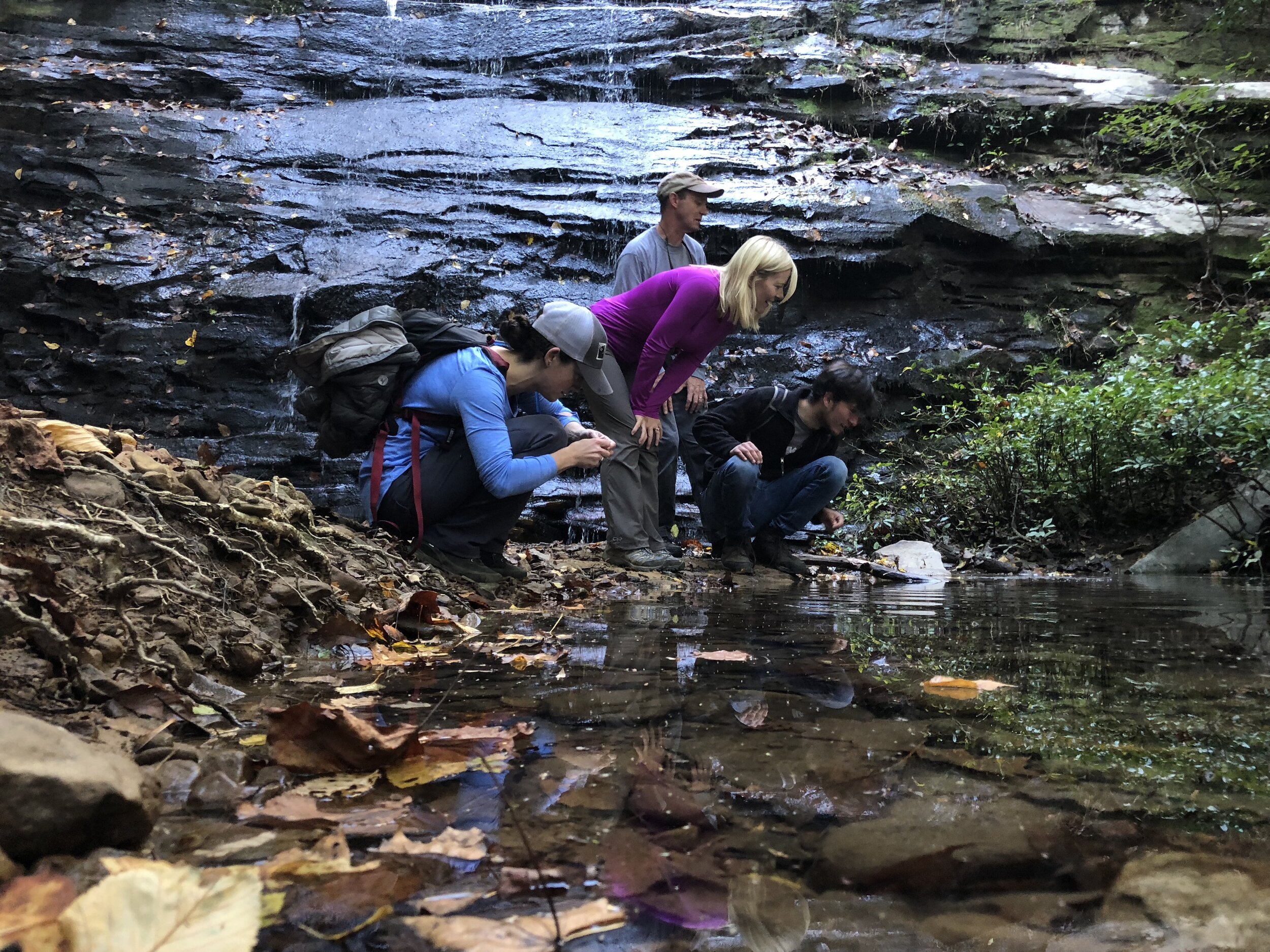
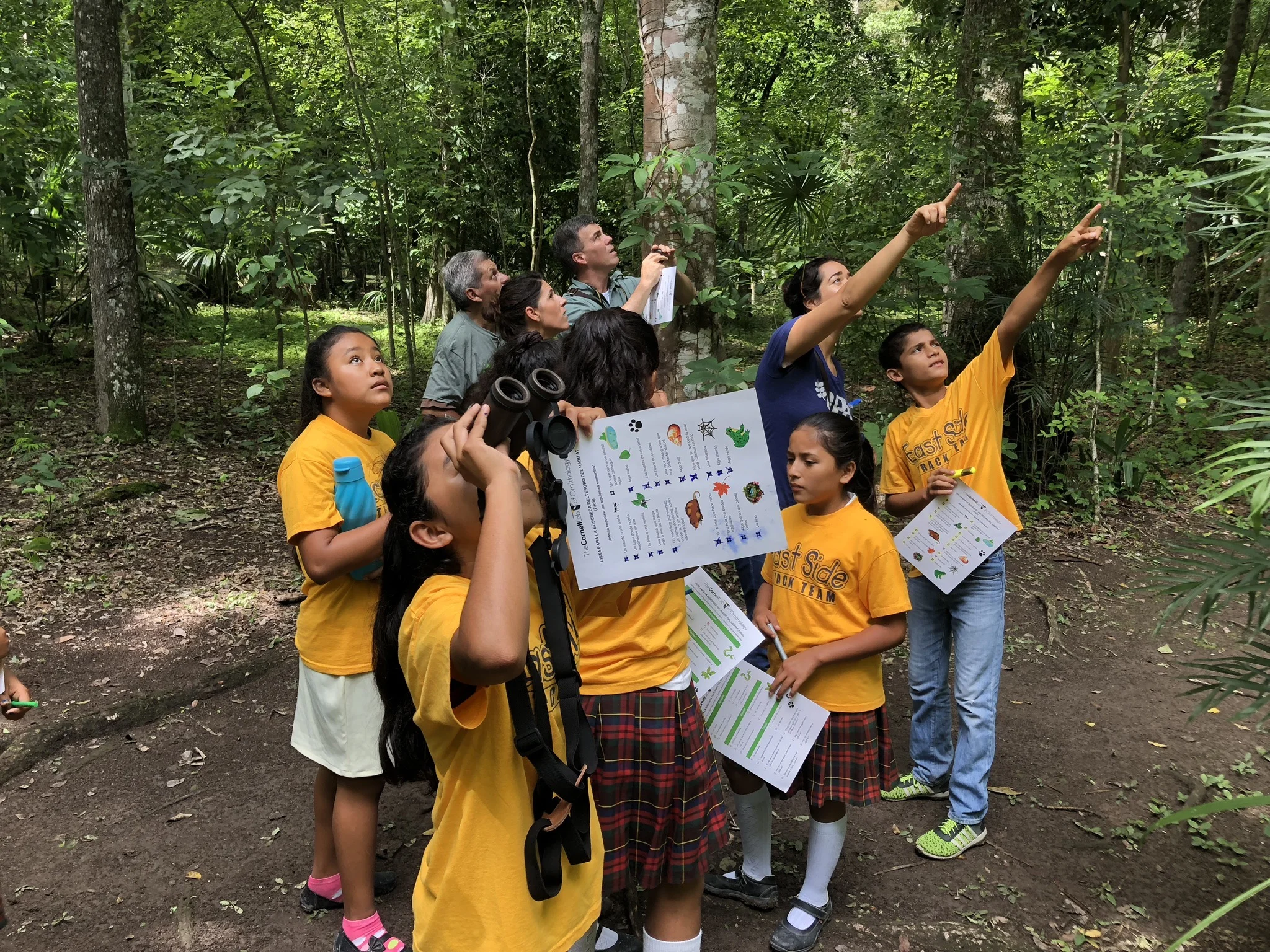
Education is an essential component of conservation. A more environmentally aware community is better suited to step up and take conservation action. Knowledge of bird population declines and broader environmental topics need to permeate beyond the scientific and conservation world and into the general public. We all depend on a healthy and functional ecosystem for our everyday life. By learning more about our environment, we are far more likely to make environmentally conscious decisions and support conservation initiatives. TRGT leads a variety of educational and community engagement efforts with all ages. Whether it be classroom presentations, community lectures, professional bird banding workshops, or field trips to the Bird Observatory, TRGT offers a wide variety of environmental education activities. To bridge the gap between the international communities that serve as the winter homes of many migratory birds from the eastern United States, TRGT has initiated a cultural exchange between the Chattanooga community and the Petén Region of Guatemala. Through this partnership, TRGT and our Guatemalan partners have directly engaged over 600 people regarding our shared responsibility to protect migratory bird species. You can find more about the Guatemalan partnership at this link.


TRGT could not do any of this important work without the help of our incredible community. If you would like to support TRGT’s conservation efforts, please consider donating. Thank you!
Donate

4 Comments

Guatemalan Conservationists Visit the Tennessee River Gorge

Comment

Guatemalan Conservationists Visit the Tennessee River Gorge

LOGOS.png

It all started with TRGT avian researchers attaching geolocators to a particular migratory bird species, the Louisiana Waterthrush. After wearing the tracking devices for a full year, five of these birds returned to the Tennessee River Gorge equipped with units full of fascinating data. The geolocators revealed the migratory pathways and wintering destinations of the five birds; two of which spent their winter in Northern Guatemala. Part of the Lynhurst Foundation grant funding this project included a cultural exchange component in partnership with La Paz Chattanooga. The plan was to connect with communities on the other end of the migration to engage in a cultural exchange centered around neotropical bird migration. In the fall of 2018, TRGT and La Paz Chattanooga traveled to the Petén region of Guatemala to meet with partners and commence the cultural exchange program. For information about our initial visit to Guatemala, check out this link.

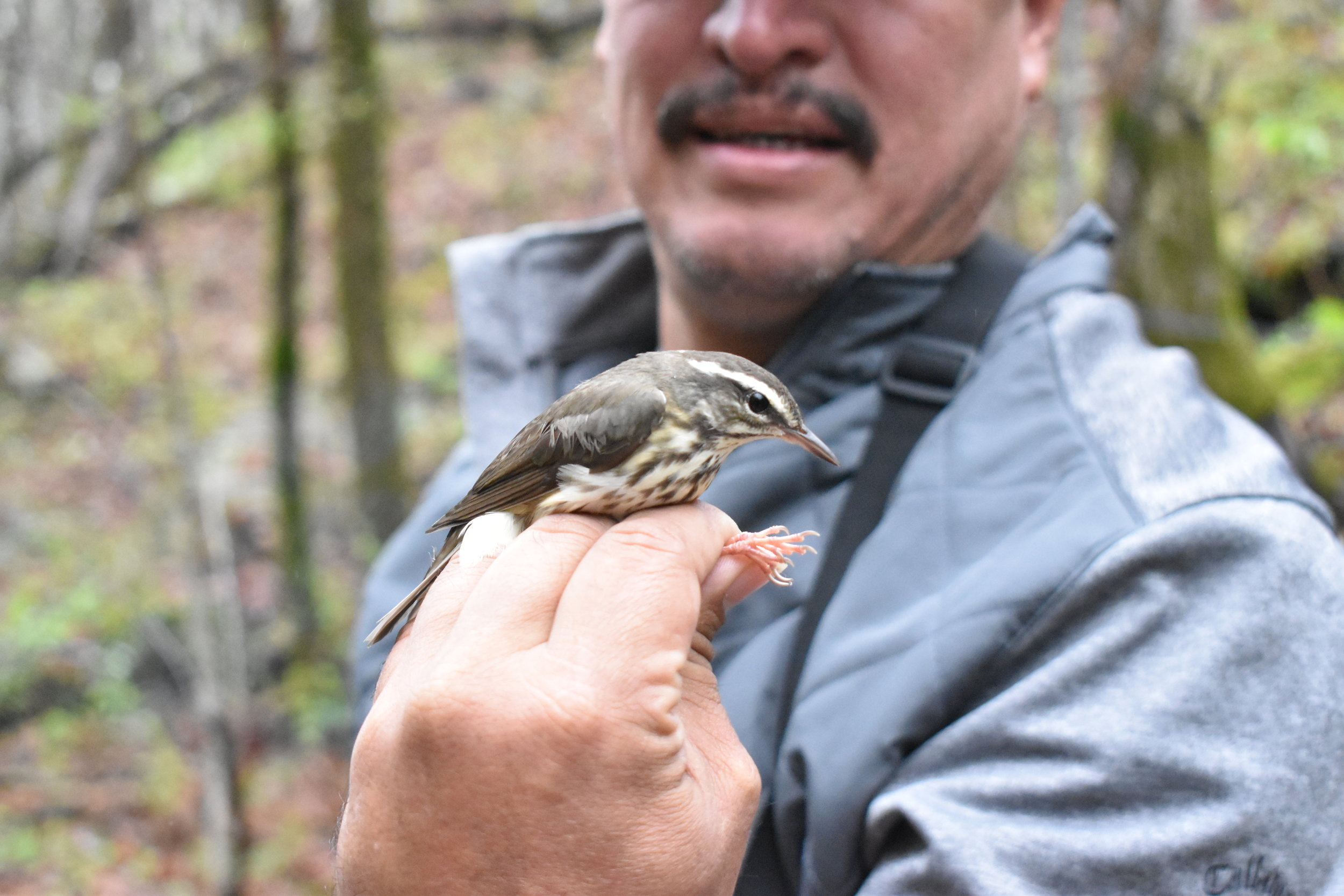
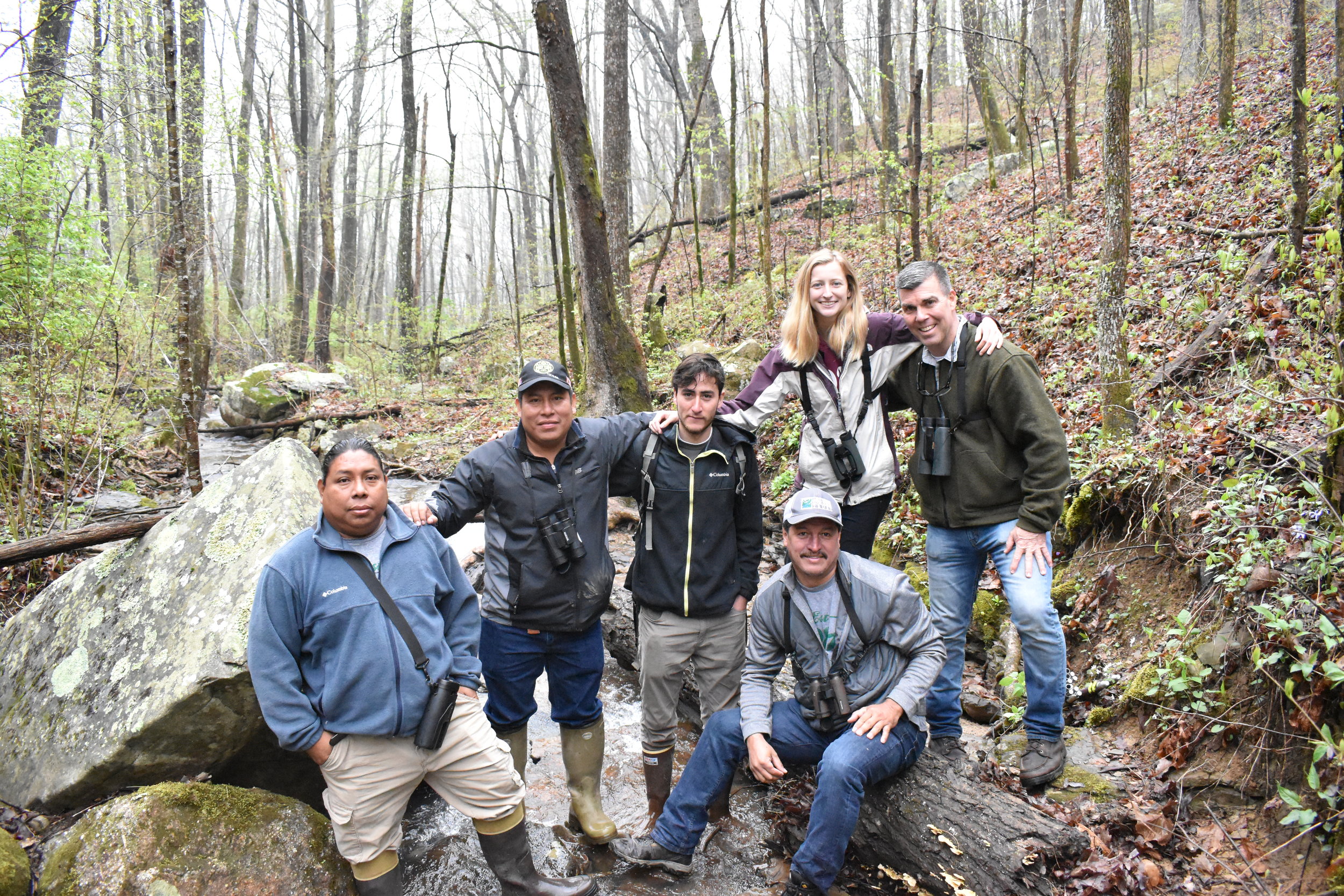
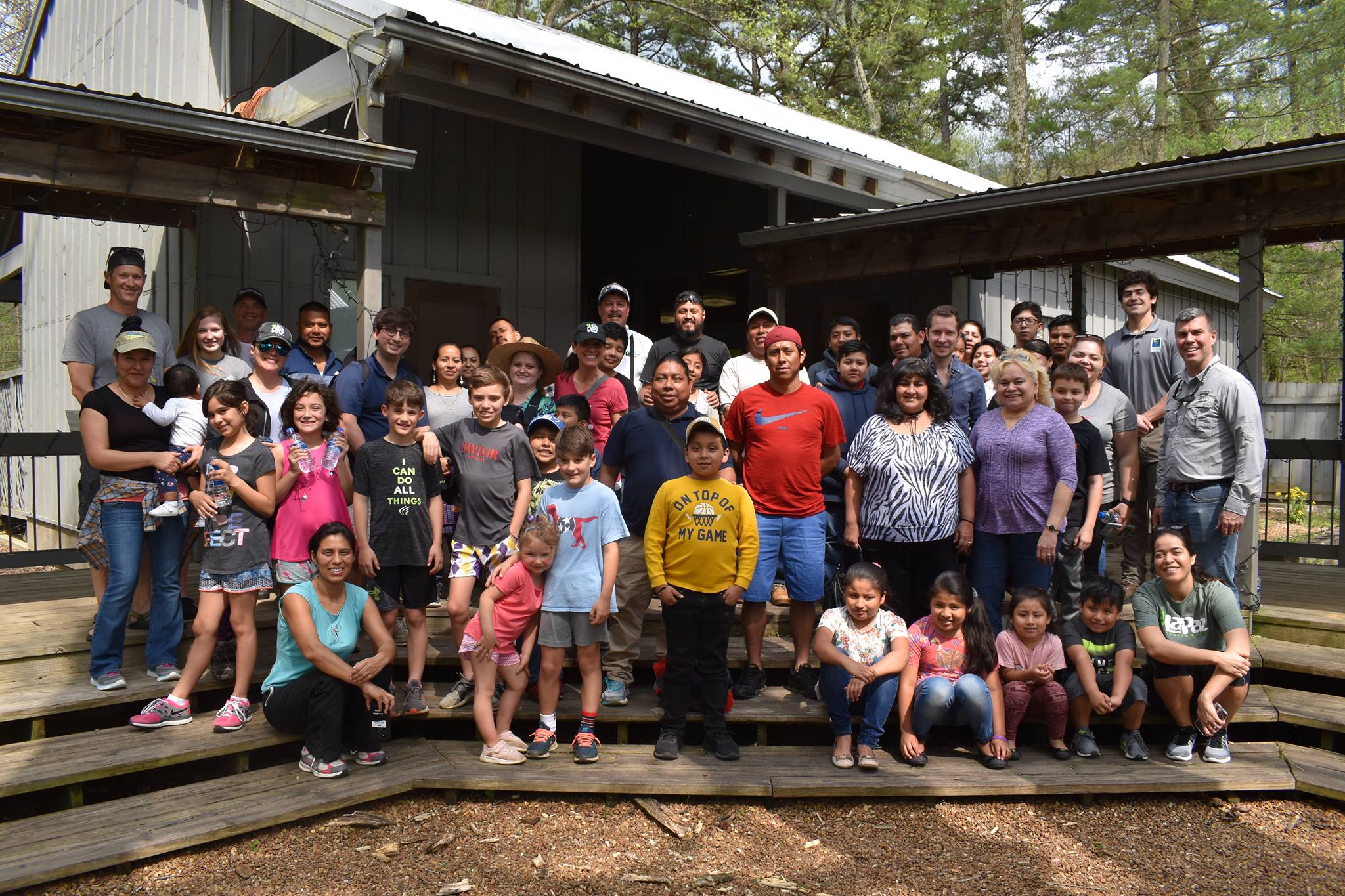
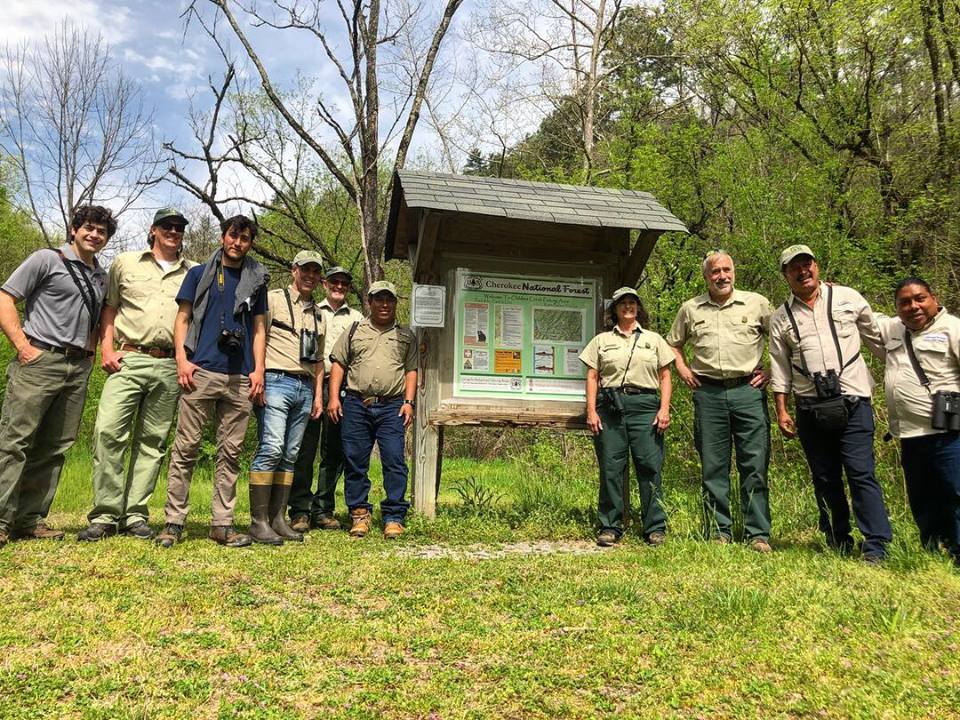
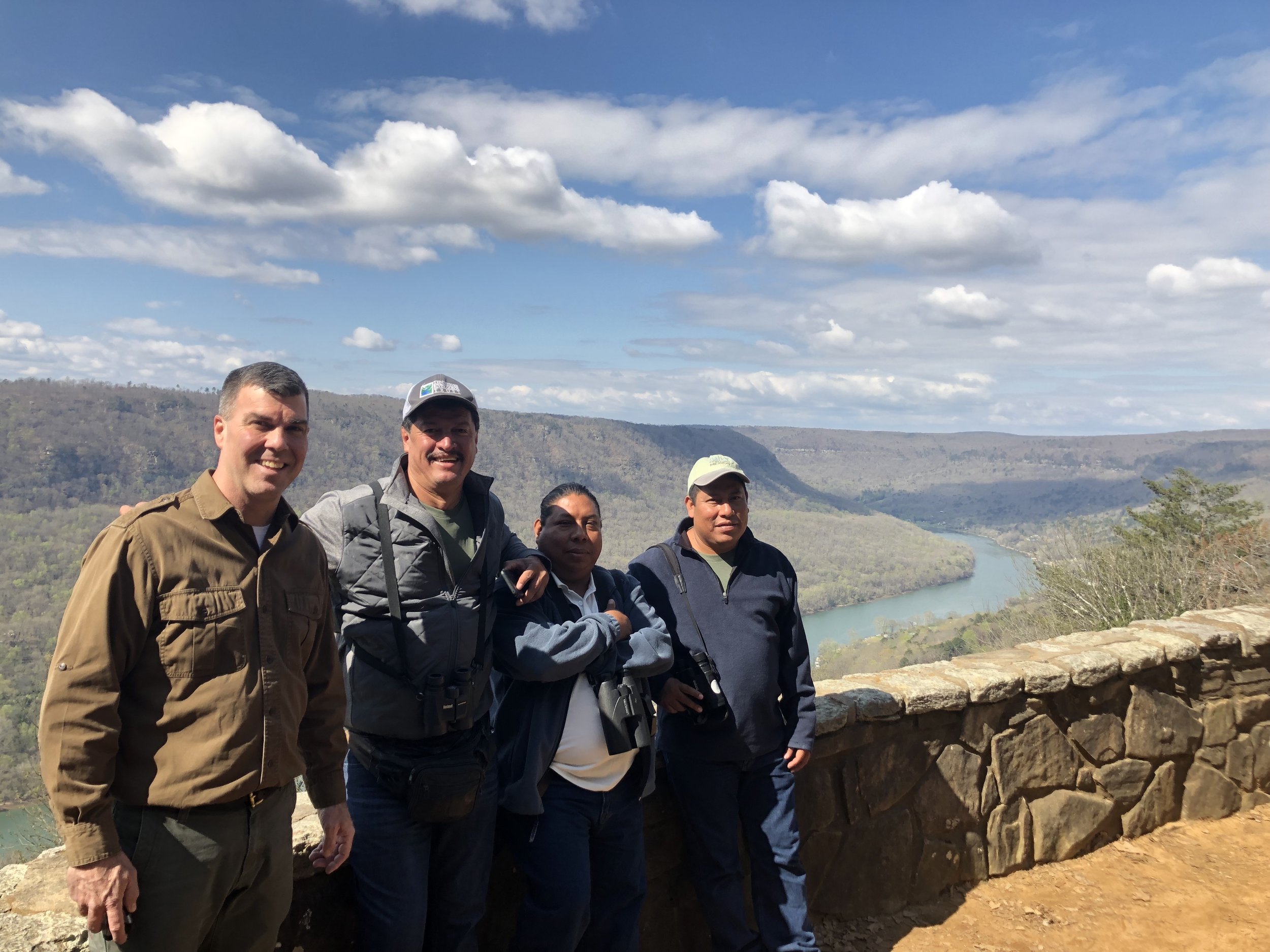
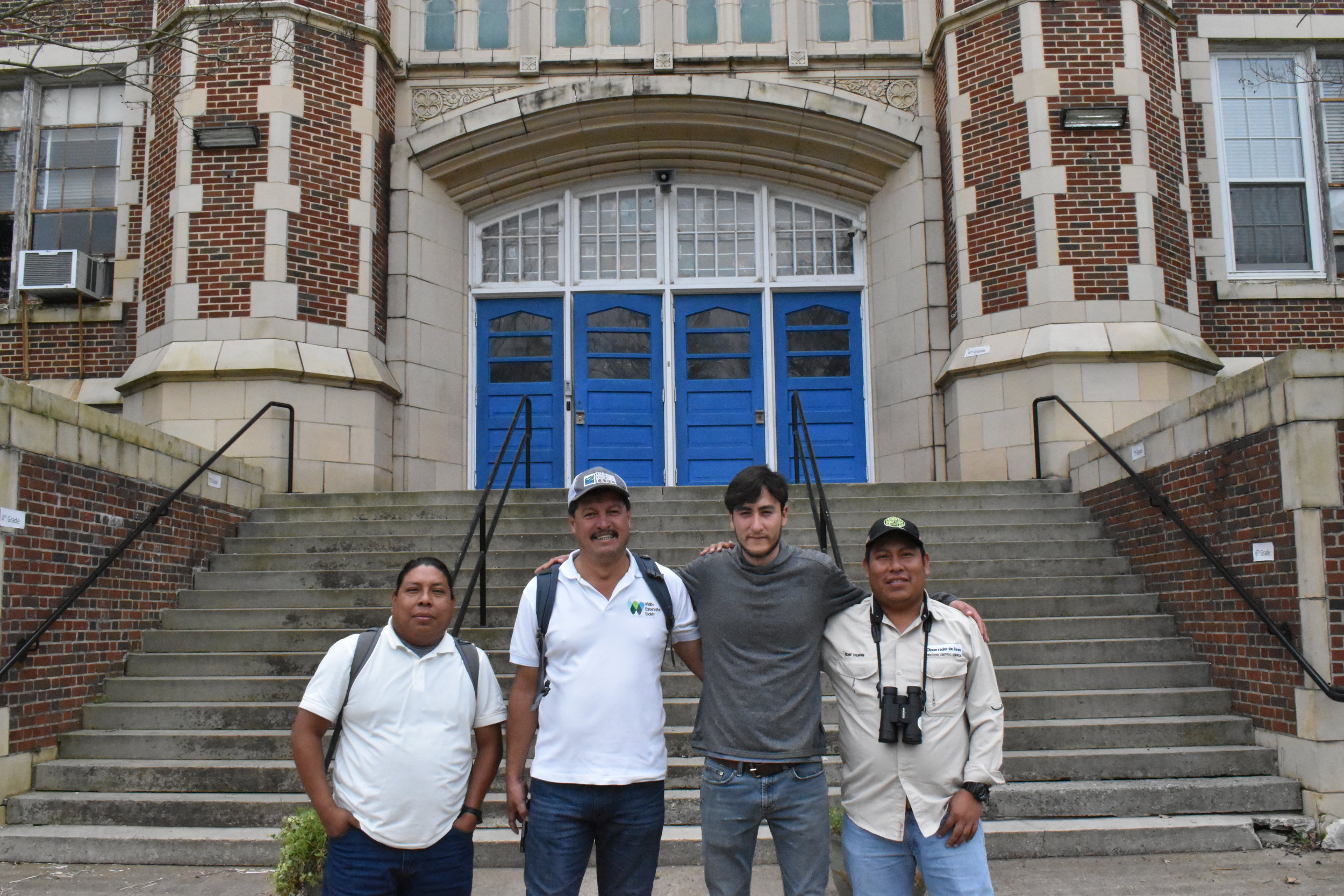
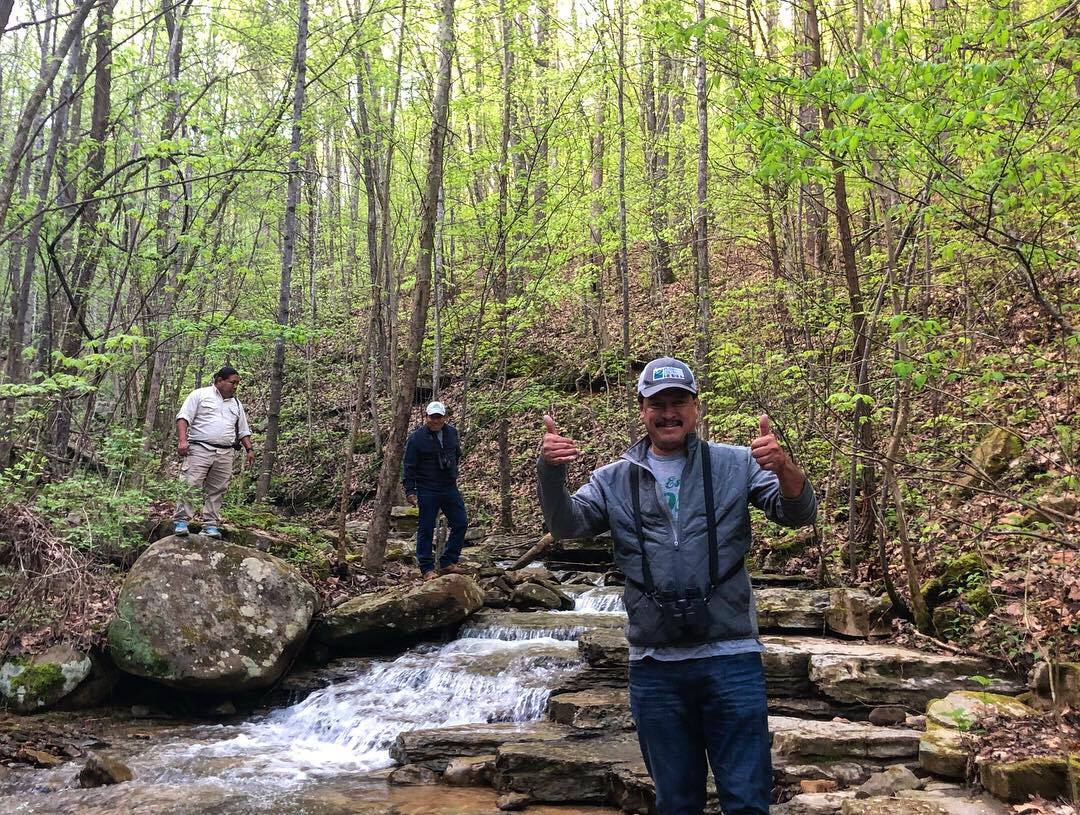
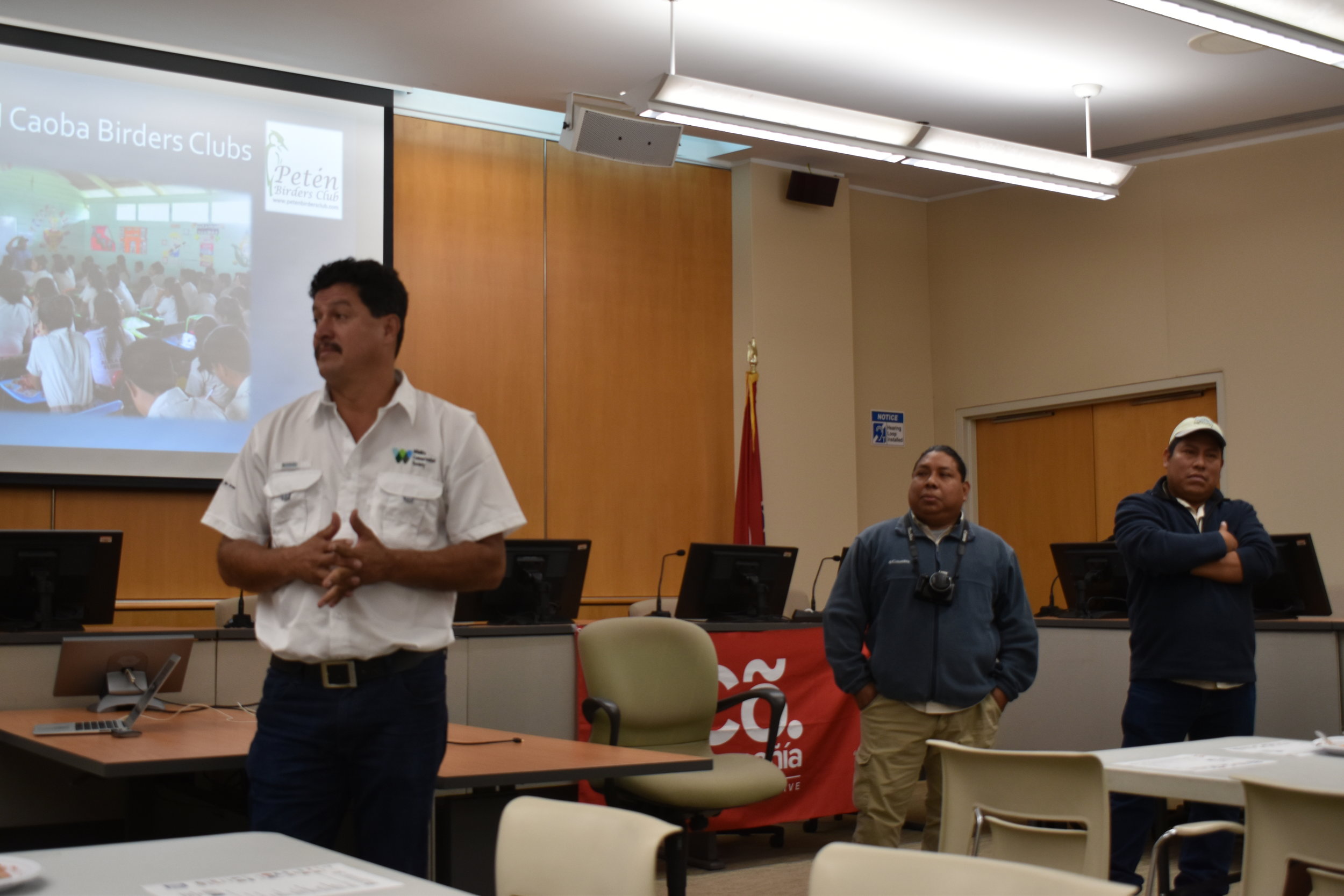
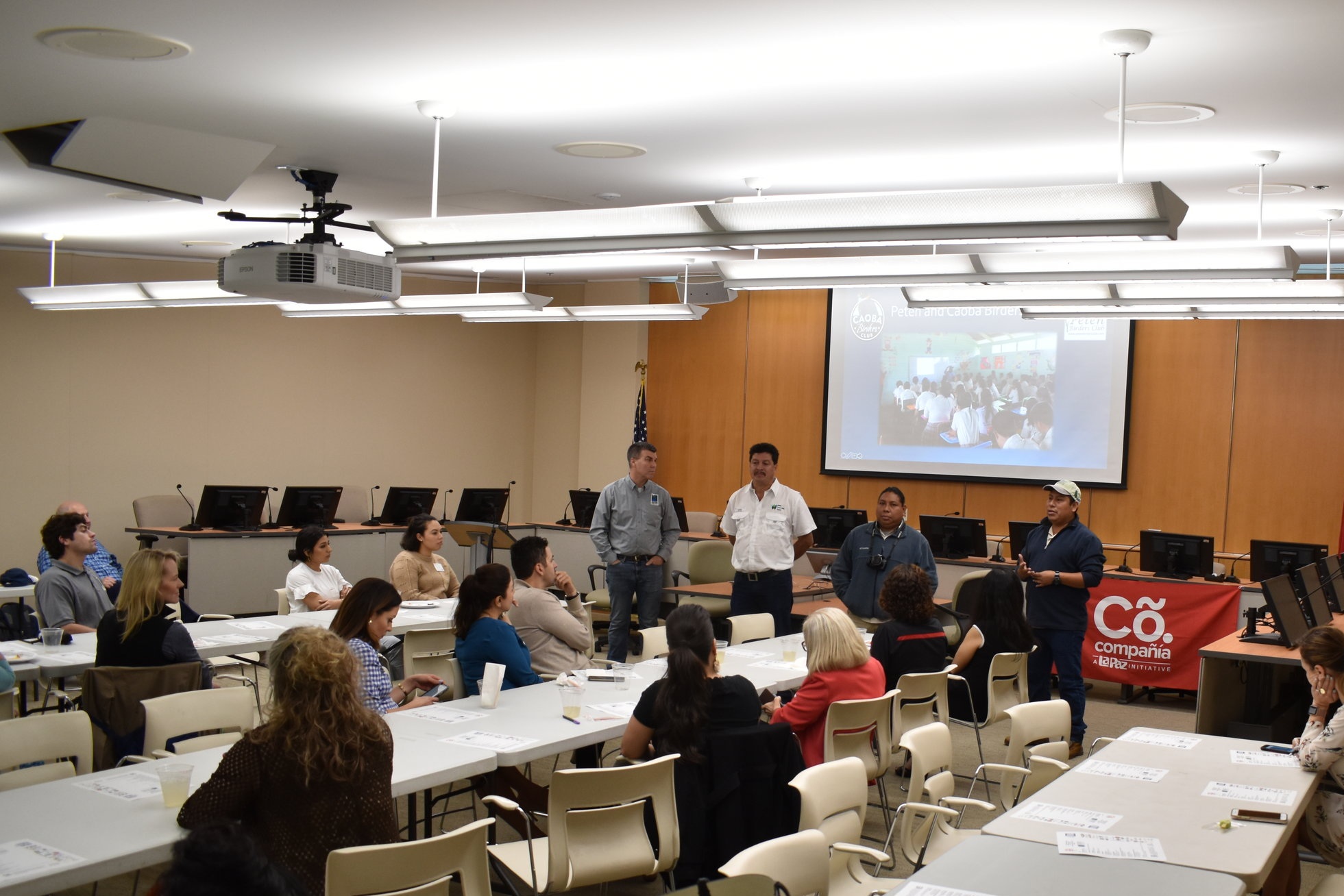
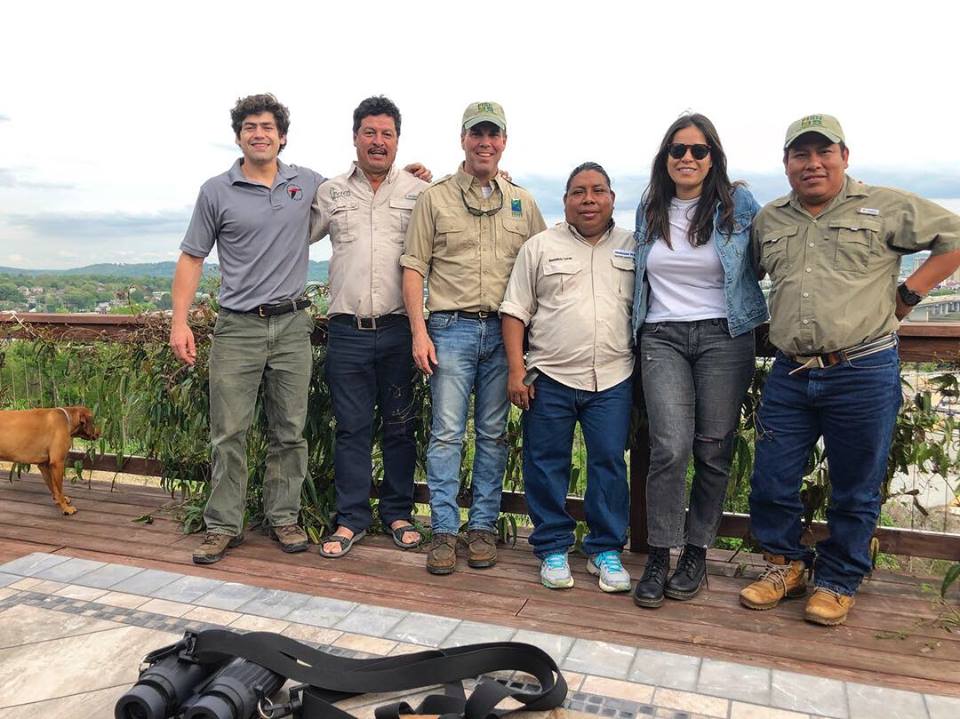
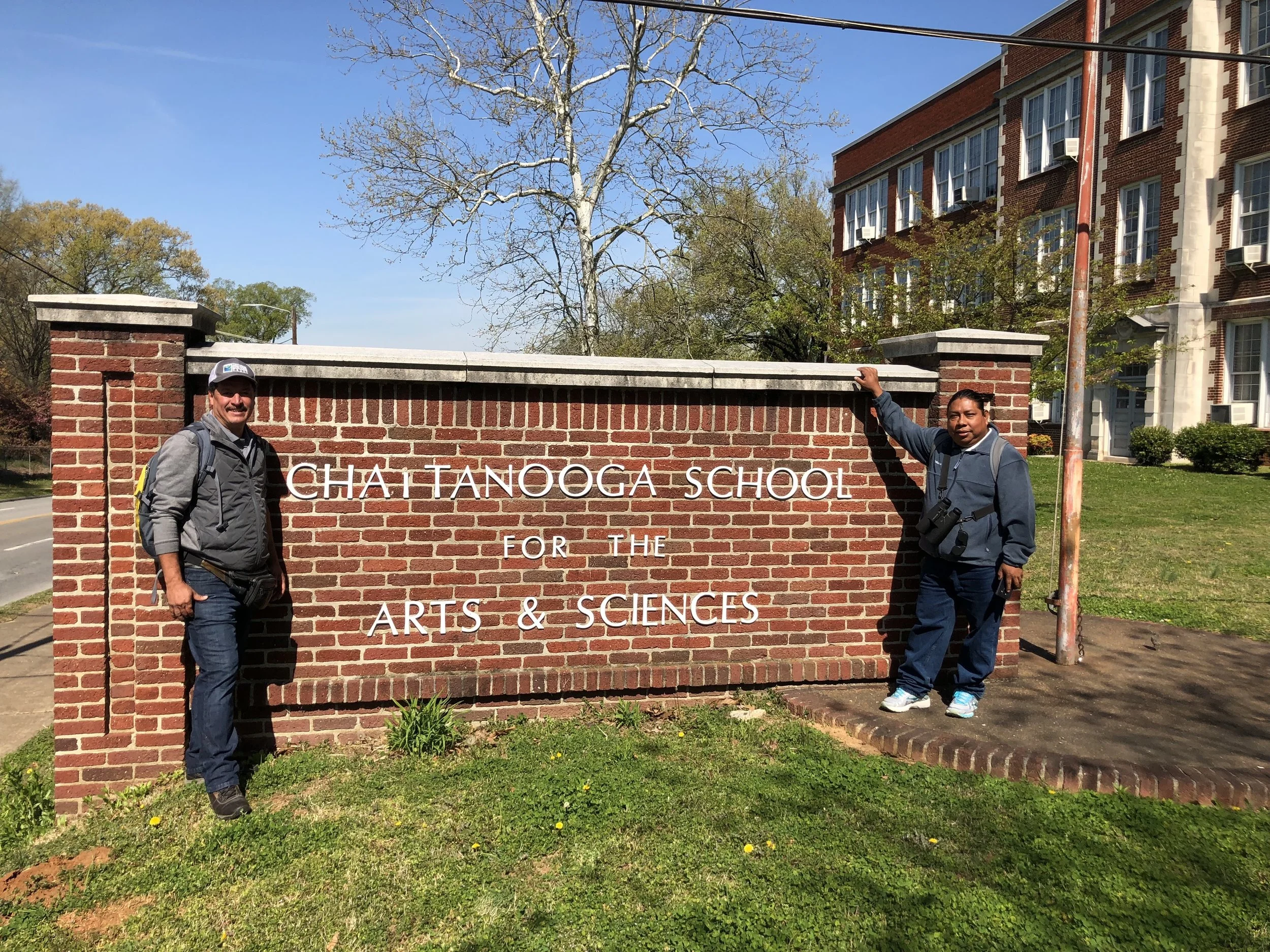
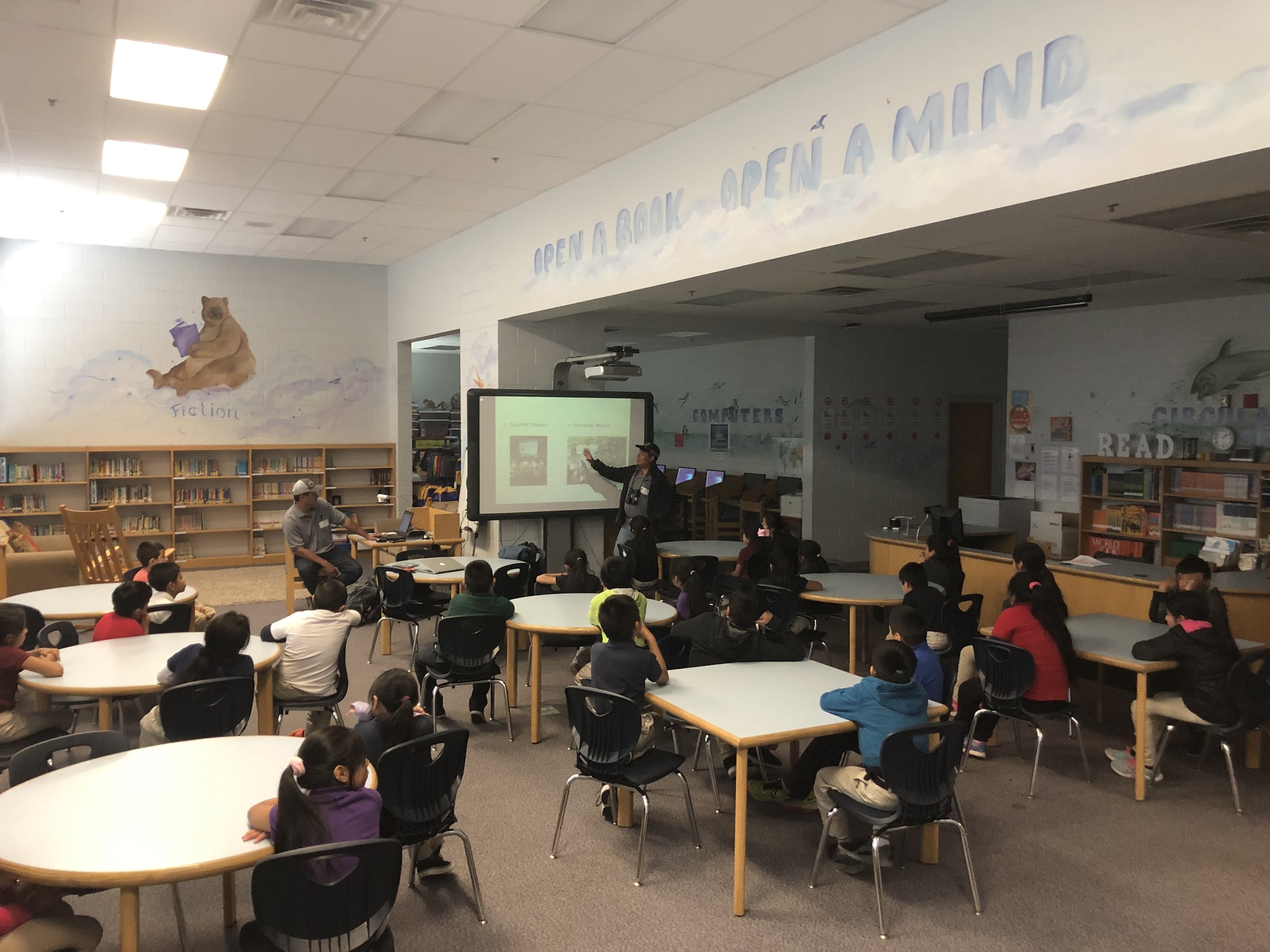
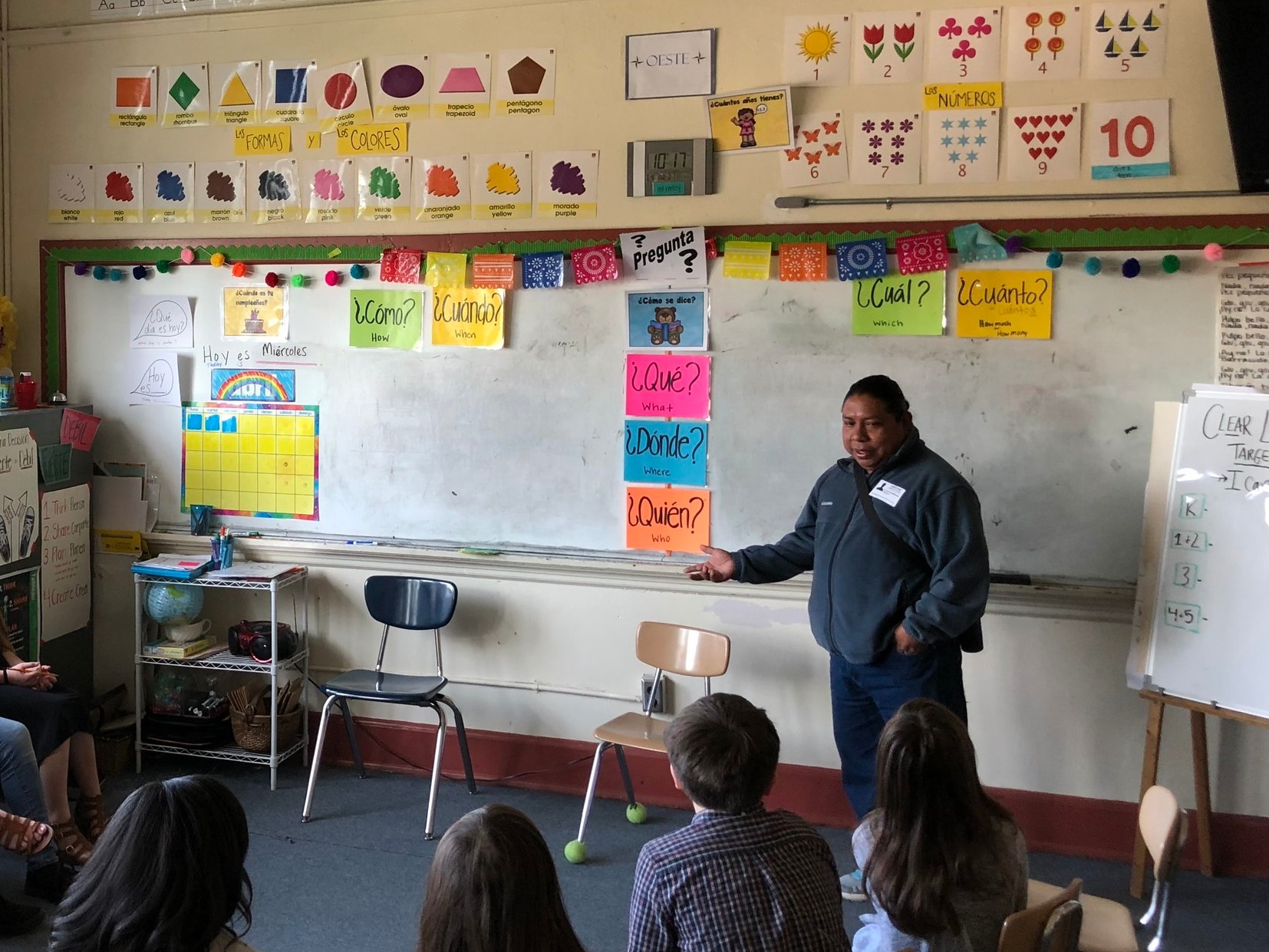
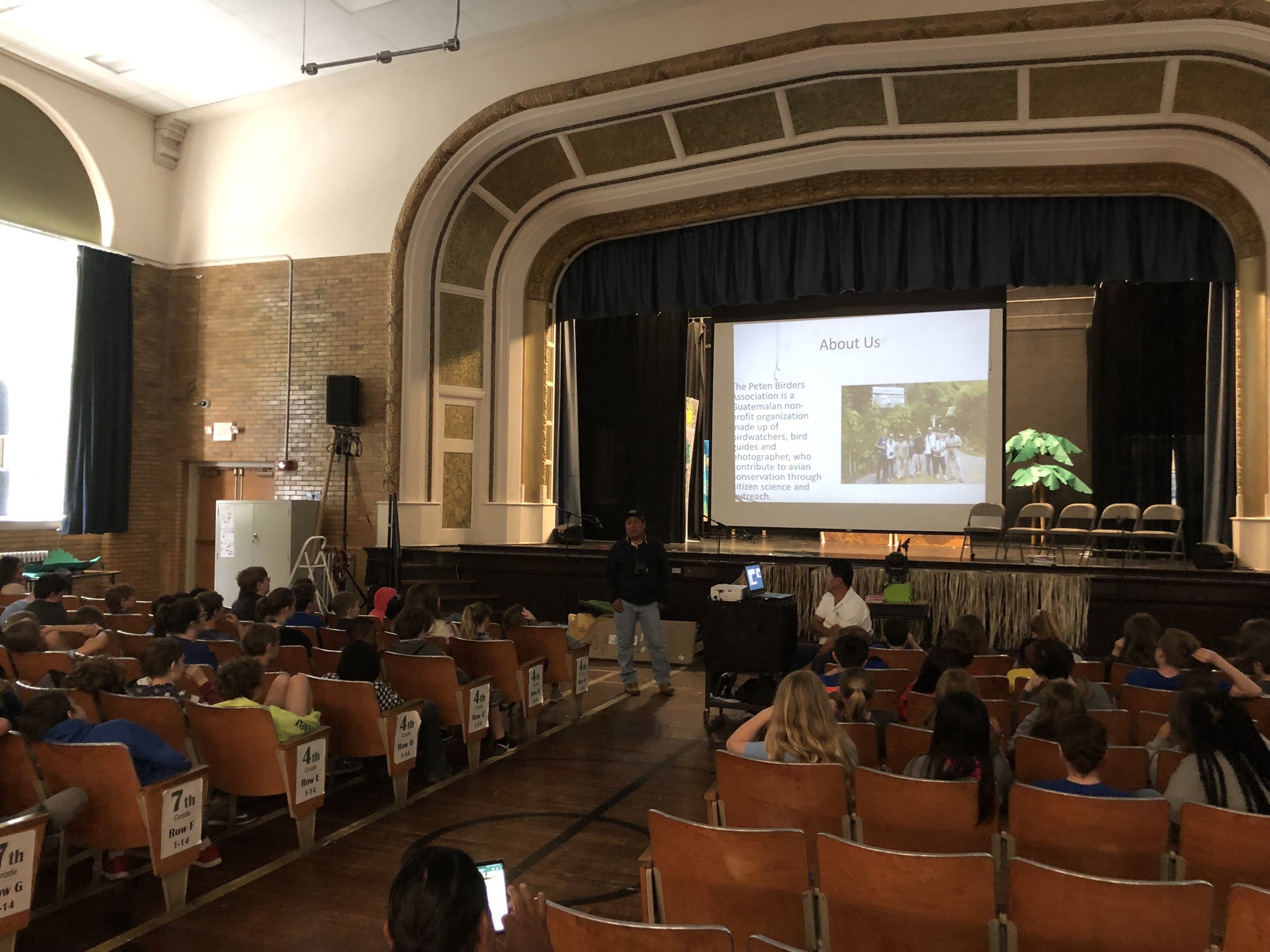
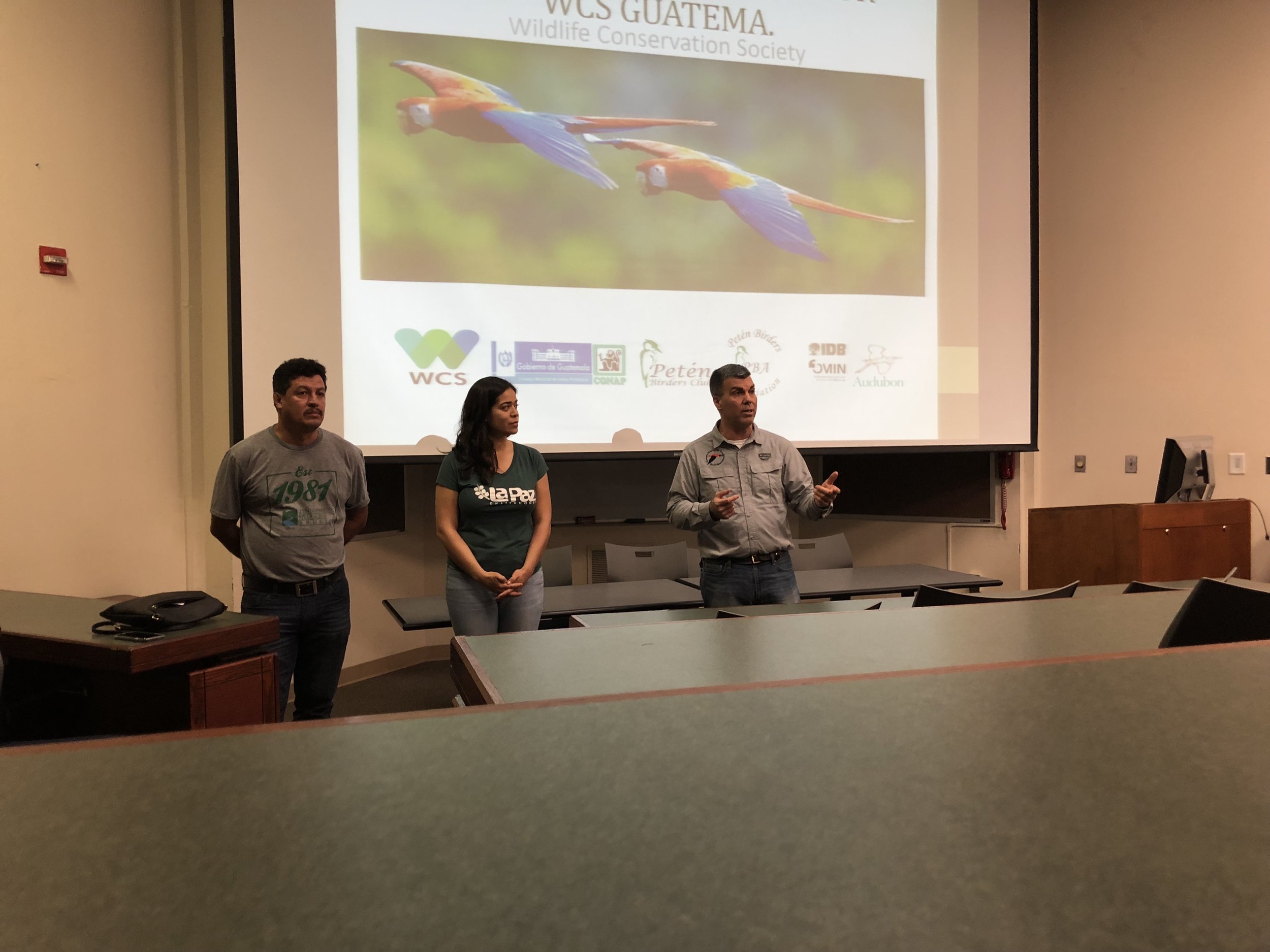
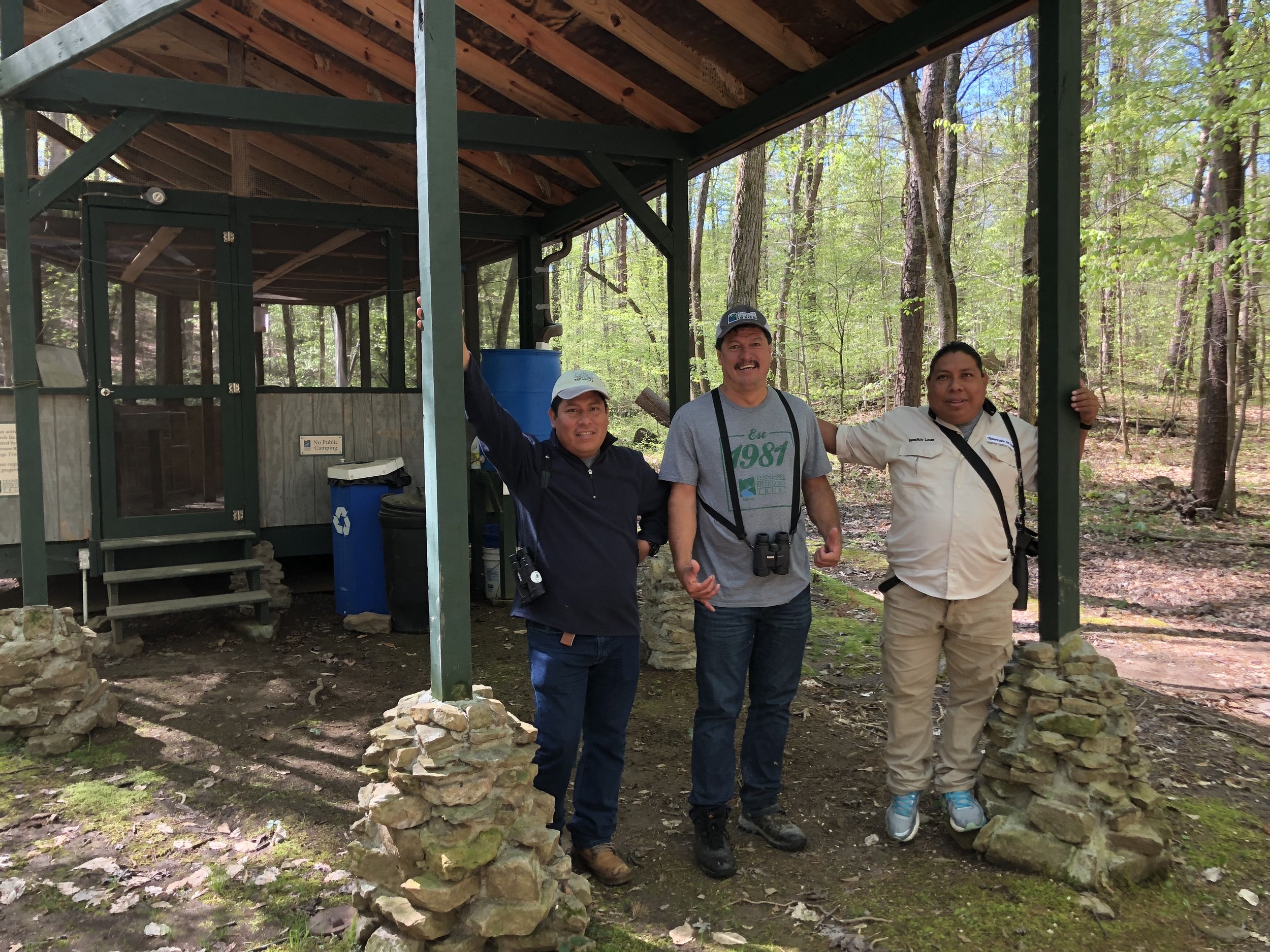
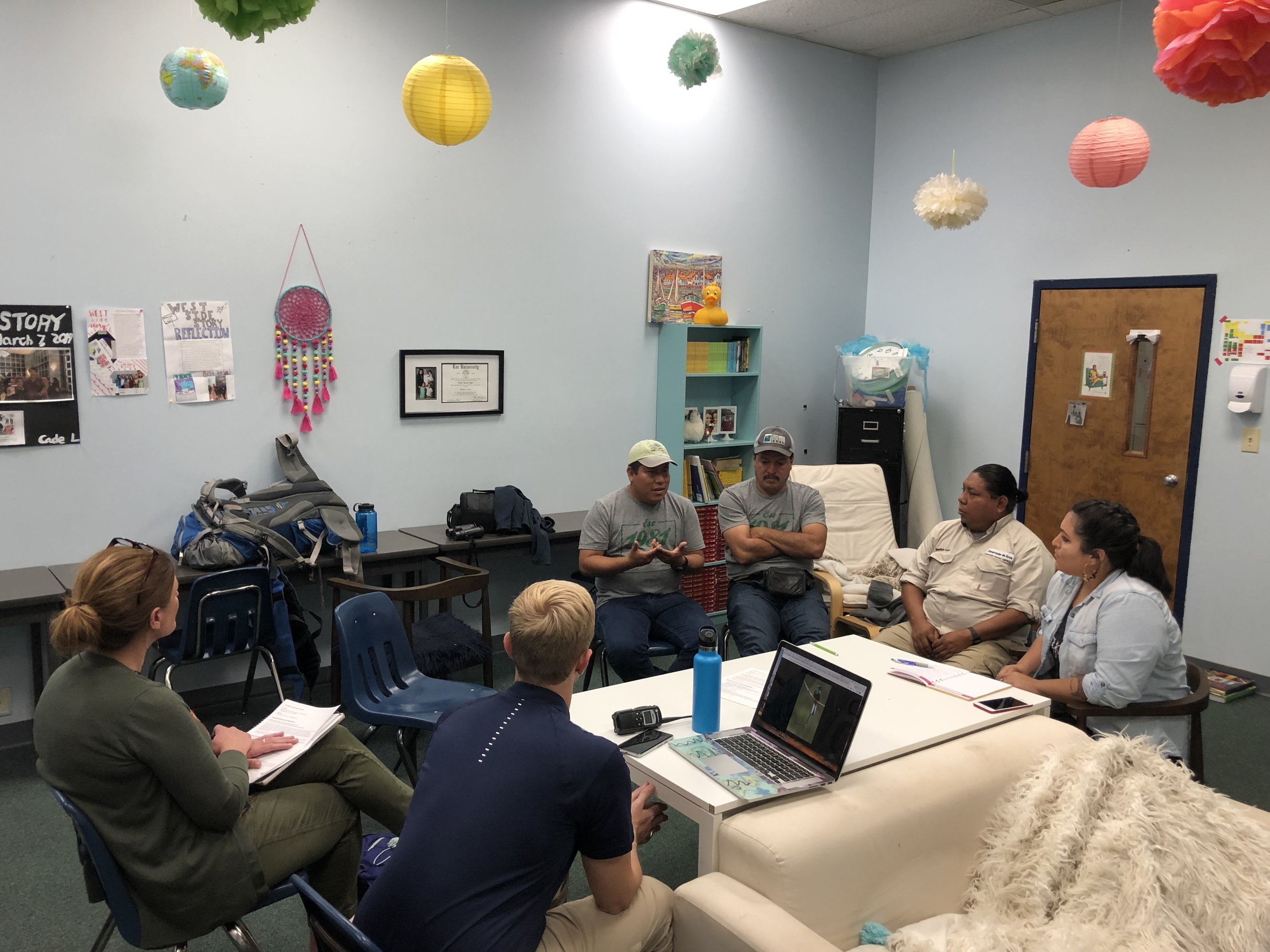
In the spring of 2019, TRGT brought our Guatemala partners to Tennessee to continue this cultural and scientific exchange. Representatives of the Petén Birders Association and the Wildlife Conservation Society flew over the Gulf of Mexico, just as the Louisiana Waterthrush had done earlier that month, and began an exciting two week adventure. The group traveled to Chattanooga area schools, community lectures, and meetings in which we personally engaged over 430 people. The representatives from each community shared artwork and letters between students from Guatemala and Tennessee followed by moving messages about how these migratory birds connect us. Our partners taught science classes about conservation in Guatemala, Spanish classes about Guatemalan culture, and community members about our shared responsibility to protect the environment. Each day before we met with classes and community groups, our Guatemalan partners accompanied the TRGT bird research team into the field to capture Louisiana Waterthrushes that had just traveled from Central America themselves.

Our Guatemalan partners are doing incredible work in Petén, Guatemala. Both the Petén Birders Association and Caoba Birders Club (a partner organization in Petén) work day in and day out to educate their surrounding communities about bird conservation and more broadly, the long-term benefits of protecting their environment. The group is also leading by example through demonstrating how eco-tourism and birding can provide economic incentives to leave their forests and farms intact, rather than selling the lands for incompatible land uses such as monoculture oil palm plantations. Our other partner, the Wildlife Conservation Society office in Flores, Guatemala, works to use compelling science to inform the protection of Guatemala’s unique wildlife. These organizations work to protect many of the same migratory species that we protect here in Tennessee, and in some cases, even the same individual birds!

This program taught us and the broader community how connected we all are and emphasized our shared responsibility to protect the species that call both places home. This exchange is still growing. We have partnered with Velo Coffee Roasters on a microlot coffee sourced from Guatemala. The proceeds from this coffee will support the Petén Birders Association in their mission to promote bird conservation and environmental education in the Petén region of Guatemala. For more information about this product, click here.

Stay tuned for more exciting news. This is just the beginning!


Photo Gallery

This project was funded by the Lyndhurst Foundation

Comment

39 Geolocators Back in Our Hands!

Comment

39 Geolocators Back in Our Hands!

39 Geolocators Back in Our Hands!


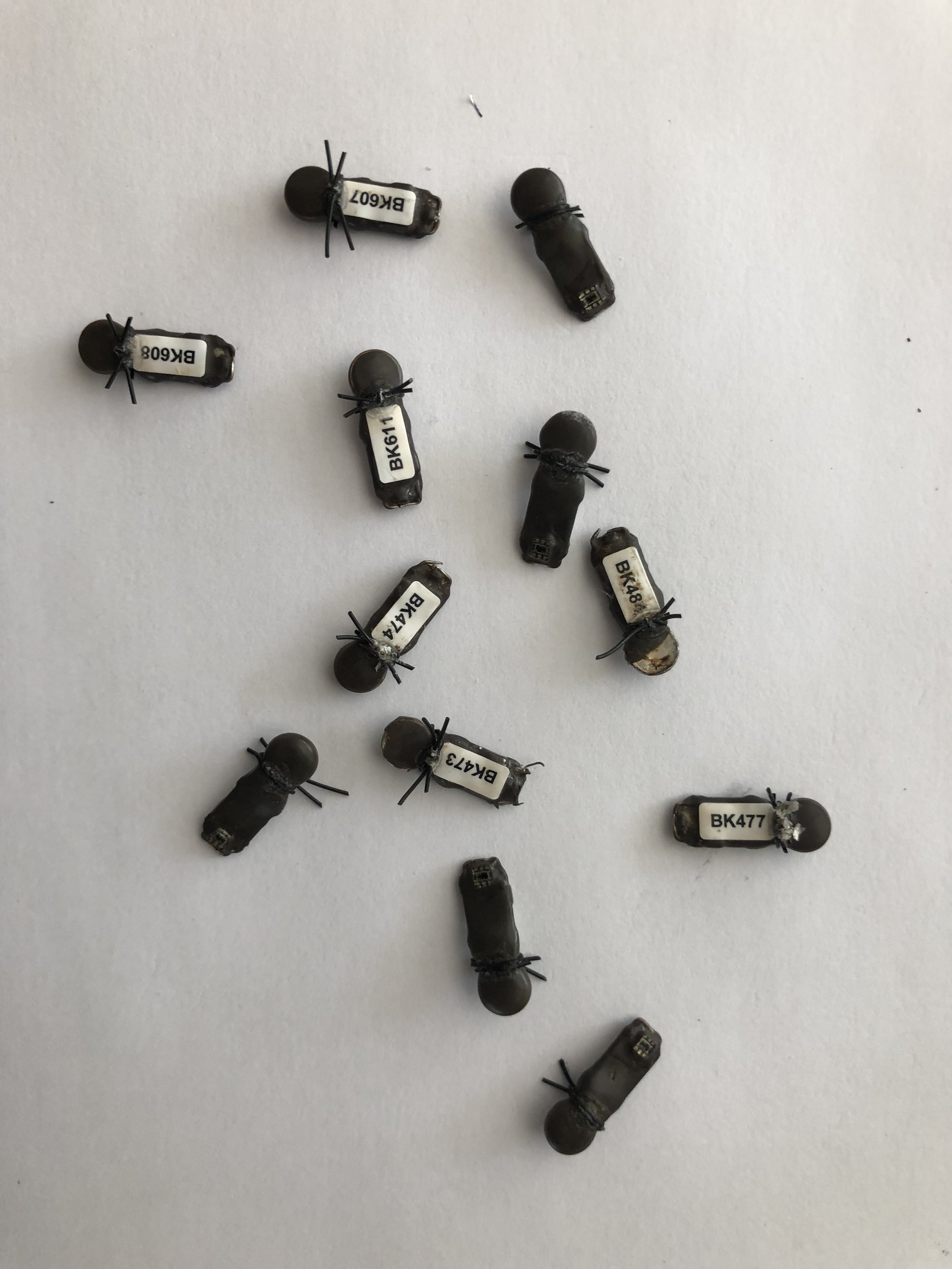
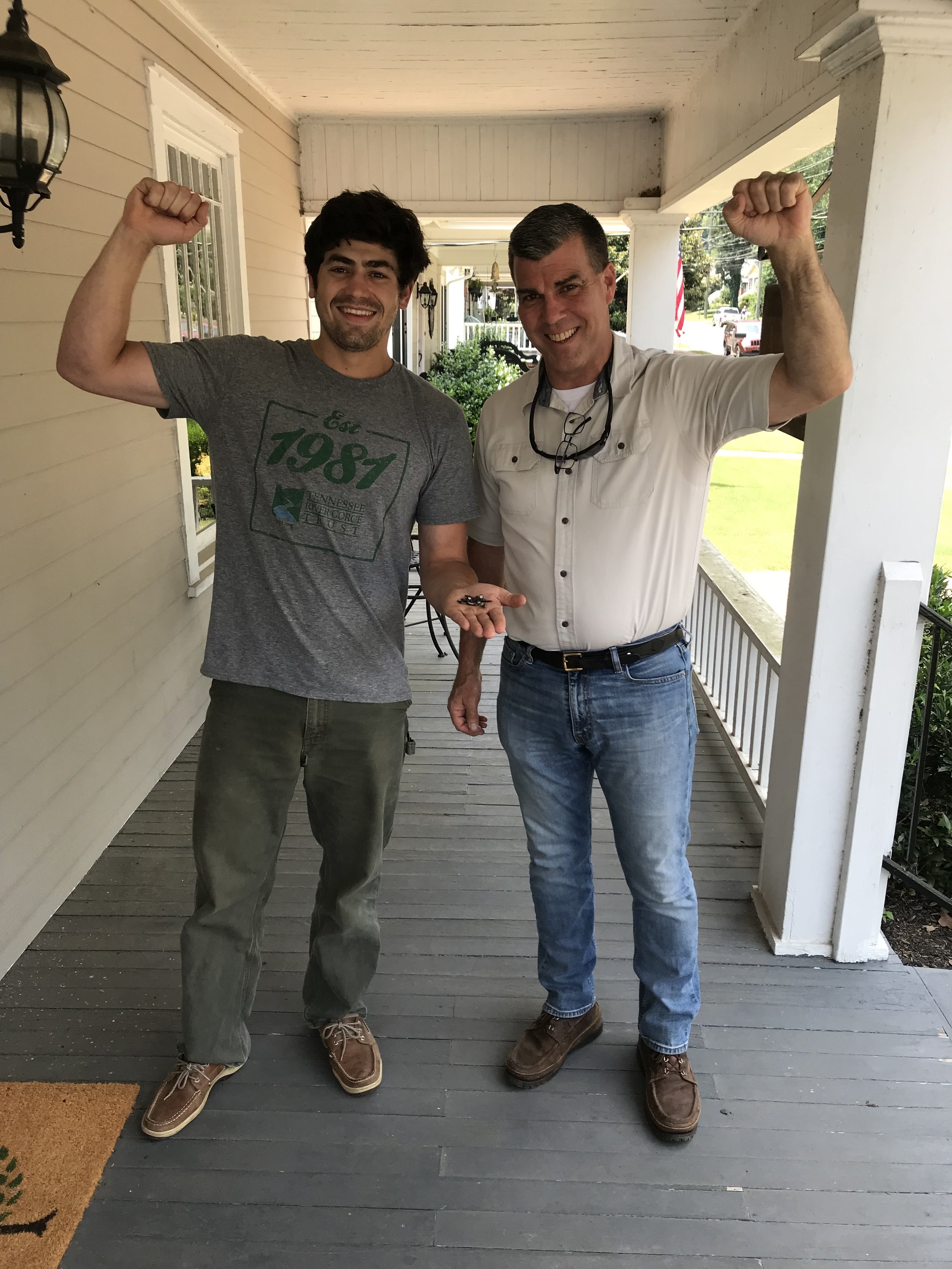
From left to right: A Worm-eating Warbler wearing a geolocator, the 12 geolocators retrieved by TRGT, and Executive Director, Rick Huffines, and Business and Access Director, Eliot Berz, triumphantly holding the 12 geolocators.


After much hard work, TRGT has recaptured 12 migratory birds wearing geolocator tracking devices! This makes a total of 39 returned geolocators for the overall study with our partners at the University of Toledo, University of Tennessee Chattanooga, and Harding University. At the TRGT study site, an additional 14 birds were recaptured as control birds wearing only leg bands, making a total of 29 recaptured control birds during the entire study. The research team is currently analyzing the data to uncover where the recaptured birds traveled to over the winter, so stay tuned for the exciting results!

These birds were equipped with geolocators in the summer of 2018, then flew 1,000+ miles to spend their winter in the tropics. The very same birds returned to the exact same territories in the Gorge to breed and raise young the following summer. This was the first time Worm-eating Warbler migration has been tracked and one of the initial studies for Louisiana Waterthrush migration.

TRGT discovered exciting results from a preliminary pilot study tracking Waterthrush migration back in 2016 and 2017. The geolocators revealed an astonishingly fast migration speed (an average of 7 days for a journey of over 1,000 miles)! We are eager to uncover what information these new 39 geolocators are holding.


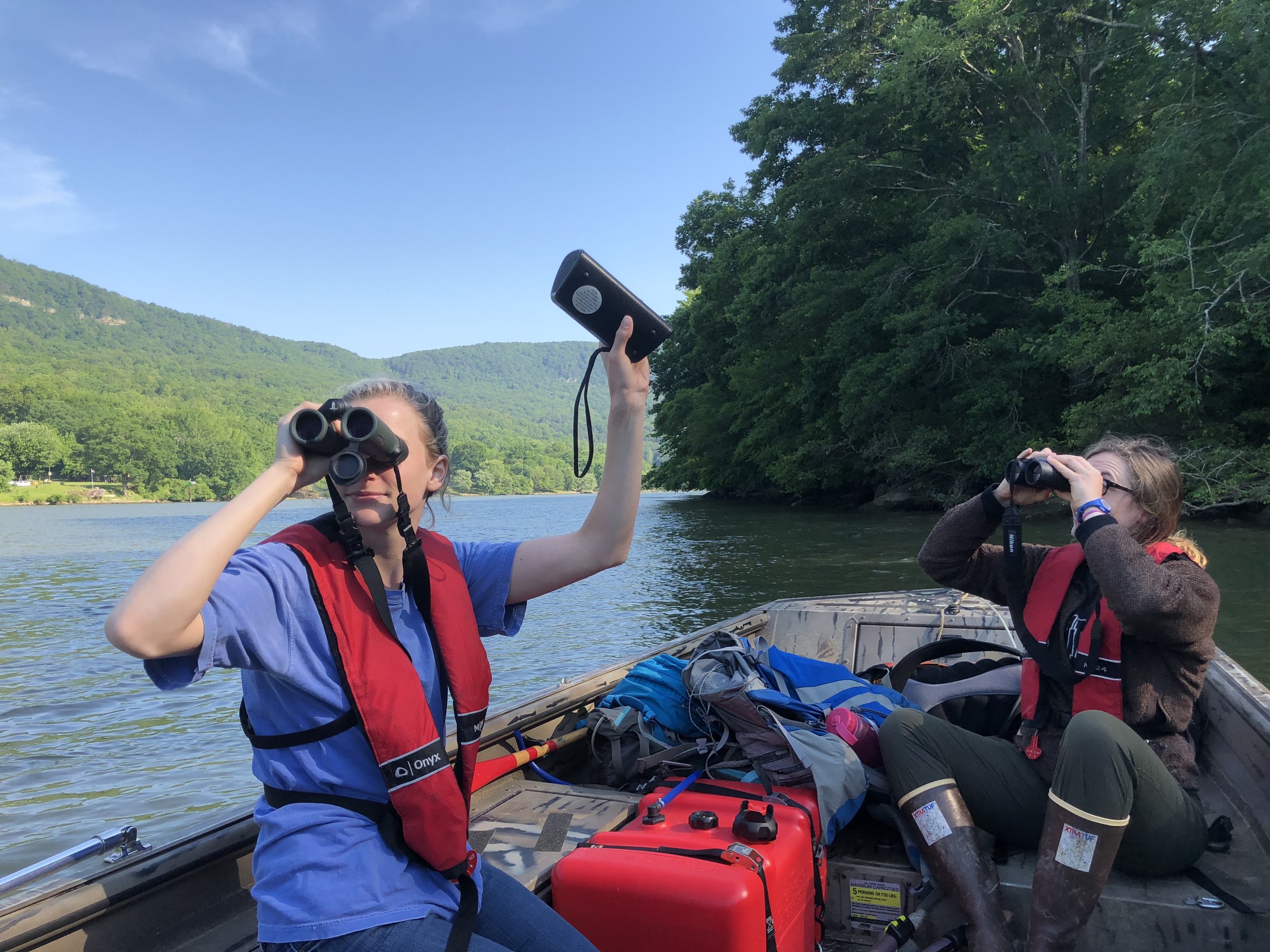
From left to right: A 5+ year old Louisiana Waterthrush after returning to Suck Creek for his fourth season, Avian Technician Caryn Ross searching for birds, and a Waterthrush from Middle Creek on Signal Mountain.


This is an exciting time in the avian research world. With modern technological advances, researchers are able to attach smaller and smaller tracking devices on migratory birds. Incredible innovations have led to the creation of tracking units as small as a half of a gram (roughly the weight of a paperclip)! These innovations have allowed researchers to now safely track all but the smallest bird species.

Thanks to the miniaturization of tracking devices, we are beginning to learn about the migratory behaviors of previously enigmatic species. The particular tracking device that TRGT and our partners used is called a light-level geolocator. These geolocators record ambient sunlight levels in reference to time in order to determine its location on Earth.

A tricky component of these geolocators is that they do not transmit any signal back to the researchers, but rather store the data until the device is returned. This means that researchers have to recapture specific birds after they have migrated over 1,000 miles each way and spent half of the year in a distant country. Despite this obstacle, many bird species will often return to the exact same territory to breed year after year. Therefore, researchers can equip devices to individual birds and send them on their way, only to recapture the exact same bird in the same spot the following year.

Stay tuned to learn where these 12 migratory birds from the Gorge spent their winter!


This project was funded by the Lyndhurst Foundation and the Tennessee Wildlife Resources Agency.


Comment

Why We Water Test: Part Two

Comment

Why We Water Test: Part Two

It was a brisk, March morning when Mariah and I made our way to Mill Creek. Our wool hats pulled tight and our dip nets and buckets in tow, we picked our way down alongside a series of splashy, miniature waterfalls. In contrast to the solemn gray river, cutting through the gorge below, the flowing tributary appeared especially bright and lively.

Comment

Why We Water Test: Part One

Comment

Why We Water Test: Part One

We huffed our way up the tight, rocky path, climbing over wind-toppled trees and stumbling over rocks. Far below, I could see the sun-bleached Tennessee River. In fact, I could almost hear it – even over the crunch of dry leaves – a churning, static noise that seemed to be getting louder.

Comment

A Winter Walk in the Gorge

Comment

A Winter Walk in the Gorge

On the north sides of the buildings snow persists from the weekend dusting, a fragile sheet of ice covers the pond, and the sun still lingers low as we pass by. The tilt is shifting, though, and these days of crisp, cool, clarity are numbered.

Comment

Our Partnerships: Rock/Creek Race Series

Comment

Our Partnerships: Rock/Creek Race Series

It’s a crisp fall morning. The cool air reaches your lungs as each footstep carries you over a complex rock garden, covered in slippery moss. You break through spider webs, and your legs and lungs feel every ounce of effort needed to propel your body up the next hill. Eyes glued to the trail, looking for roots or rocks that might trip you up, you find your rhythm.

Comment

Way Down Yonder in the Paw Paw Patch

1 Comment

Way Down Yonder in the Paw Paw Patch

There are many relationships that stitch together the tapestry of a place as biodiverse as the Tennessee River Gorge. John Muir famously wrote that “When we try to pick out anything by itself, we find it hitched to everything else in the Universe.” Some of those relationships are distant, tertiary. Others are direct and dependent, like the one between a striking butterfly and its’ host tree that are native to the Gorge.

1 Comment

Our Partnerships: Colonial Pipeline Company

Comment

Our Partnerships: Colonial Pipeline Company

Partnerships in nature come in all shapes and sizes, and rely on each other for survival—and to support entire ecosystems. We can find analogies throughout nature that represent the partnerships we’ve established that support the work we do here at the Trust.

Comment

2 Comments

Is Conservation a Responsibility or a Privilege?

The question was posed to me by Rick Huffines early one spring morning. The sun had just crested Signal Mountain, spilling orange into half the river gorge while the other half remained dusky-blue. It was cooler on the water than I had planned for. I hunched my shoulders against the wind as Rick and I bumped against the current in his motorboat.

2 Comments

Comment

What We Can Get Out of Winter

We sometimes forget we are natural creatures with natural rhythms. As a society, we've outsmarted even ourselves, creating tools and means to work faster and harder and more. Just generally MORE. 


And yet, all of this progress stands in the face a fact we like to ignore: we are limited, natural beings. 

Comment

Comment

Space Enough for Peace

At the Trust, we don't think of our work as sexy: We aren’t developing the latest iPhone apps. We can’t give you tasting notes on local craft beers. And we definitely aren’t touting ways to trim that stubborn belly fat with PiYo.

Our work isn't trendy. And that’s okay by us.

Comment

Dreaming in Green: Our Need for Nature

Comment

Dreaming in Green: Our Need for Nature

Nature, like what we have in the Tennessee River Gorge, offers us that “ultimate meaning” that we are seeking. In becoming attuned to our connection to the “remainder of life,” in the form of trees, springs, birds, and wildflowers, we can be reminded of and comforted by our place in this world.

Comment